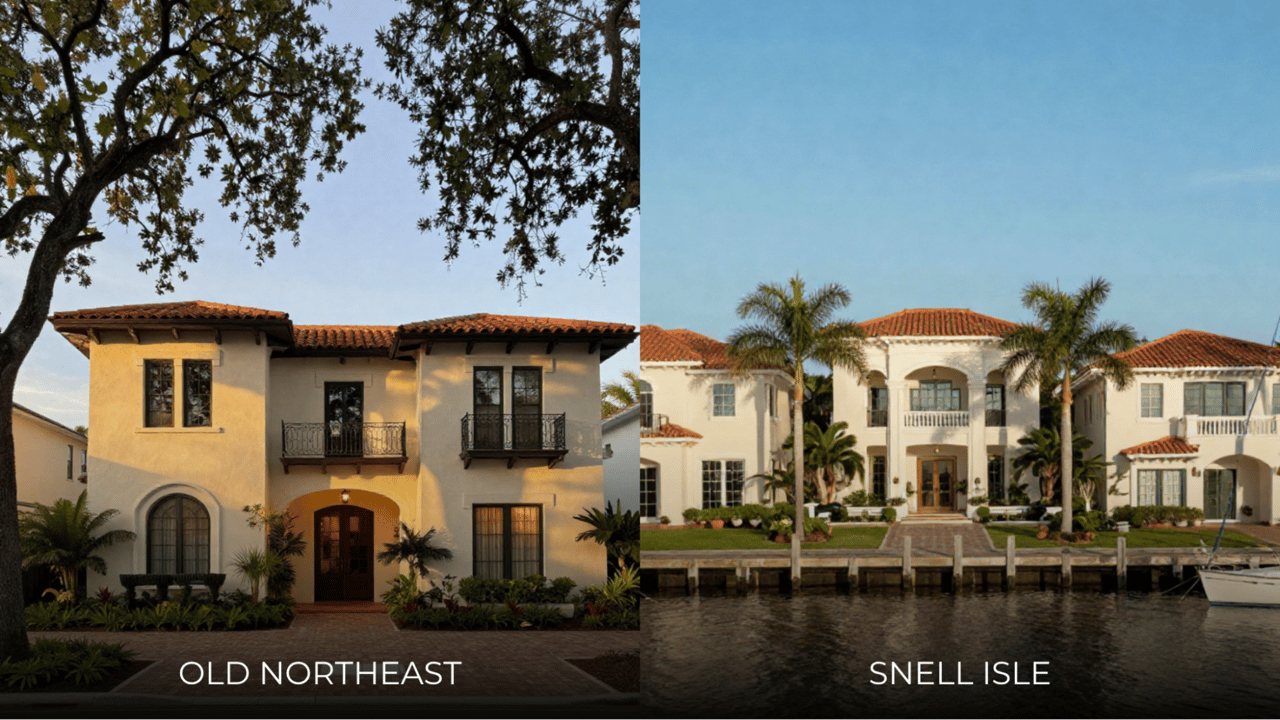
Thinking about listing your Snell Isle waterfront home? You are selling more than a house. You are selling deep-water access, a dock that works on day one, and a lifestyle minutes from downtown St. Pete. With the right prep, you can protect your value, reduce buyer friction, and move to closing with confidence. This step-by-step guide shows you exactly how to prepare, what to fix, what to document, and how to present your property for top results. Let’s dive in.
Know your Snell Isle buyer
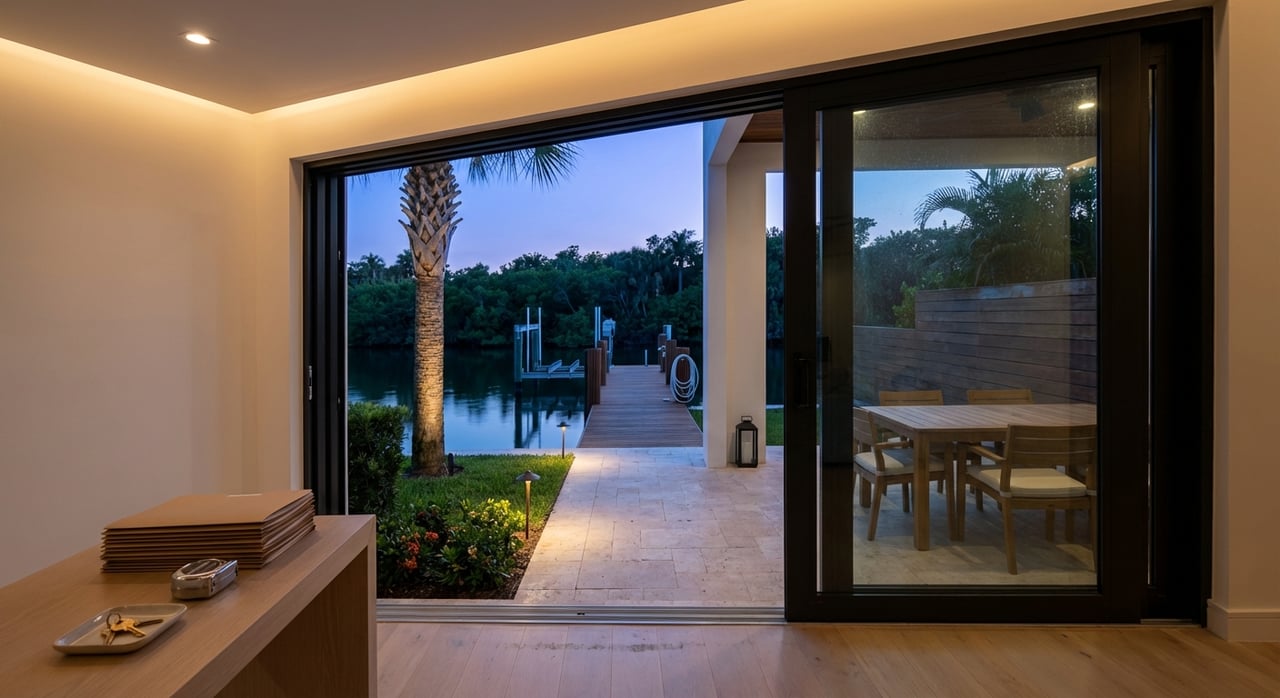
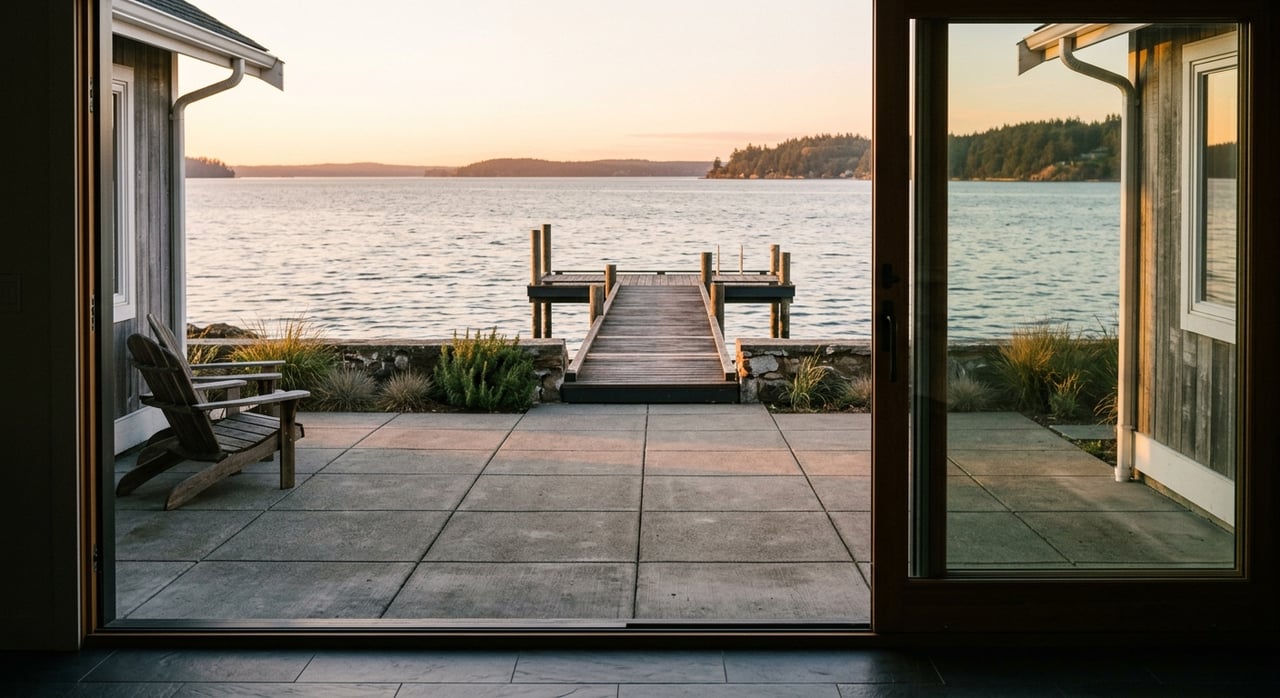
Luxury waterfront buyers focus on three things first: water access, dock and seawall condition, and indoor to outdoor flow. Your plan should highlight clear boat approach, lift capacity, and safe mooring. Inside, stage a clean line of sight to the water and an easy path from living areas to the lanai, pool, and dock.
Pricing should be based on local MLS comparables and the most recent closed sales. Public portals vary by method and timing, so treat those figures as directional and rely on your agent’s comp set.
Get flood disclosures and elevation docs
Florida now requires a standalone Flood Disclosure for residential sales. Complete and deliver it at or before contract execution using the state form under Florida Statute §689.302. Buyers will also ask for your FEMA flood zone and any Elevation Certificate. Pinellas County can help you locate an existing EC or advise if an update is needed through its flood and elevation resources.
Pro tip: Keep dated copies of all disclosures. Clear flood documentation supports buyer confidence and can streamline insurance underwriting.
Inspect what matters on the water
Core inspections to order early
- Full pre-listing home inspection. Use the report to decide what to repair versus credit.
- WDO inspection using the state form (FDACS DACS-13645). Lenders and buyers often require it. Book a Florida-licensed provider and keep any treatment warranties. See the state form reference at flrules.org.
- 4-Point and Wind Mitigation inspections. The Uniform Mitigation Verification Form (OIR-B1-1802) documents roof-to-wall connections, opening protection, and other features. Many insurers rely on the Florida Office of Insurance Regulation’s wind mitigation resources.
Dock, seawall, and boatlift evaluation
Hire a licensed marine contractor or commercial diver to inspect pilings, cap, tie-backs, and boatlift capacity. Surface checks miss underwater issues, so ask for video or diver notes. If you see bowing, leaning, or panel separation at the seawall, bring in a marine engineer early.
Insurance timing
Older roofs or systems can slow underwriting. Pull roof permits and invoices now, and have inspection forms ready for buyers and their insurers.
Handle permits for docks, lifts, and seawalls
Private use of state sovereignty submerged lands and most dock or seawall work falls under Florida’s rules in F.A.C. Chapter 18-21. Beyond minor repairs, expect multi-agency review that can include Florida DEP, the U.S. Army Corps of Engineers, and local permits. To plan scope and timing, review the permitting overview for waterfront projects at flwaterfront.com.
Bottom line: Confirm permit history before you list, and never start in-water work until approvals are in place.
Complete smart pre-list repairs
- Address roof leaks and provide install dates, permits, and any roof certifications. This can prevent insurance delays for buyers.
- Seal and repaint weathered exterior areas, update caulking, and correct minor moisture findings. Small fixes signal strong maintenance.
- Service the boatlift, tighten fasteners, and replace worn deck boards. Document who did the work and keep receipts. Do not disturb seagrass or perform in-water cleaning until you confirm what is allowed under permits.
Stage and market your waterfront lifestyle
Visual priorities buyers love
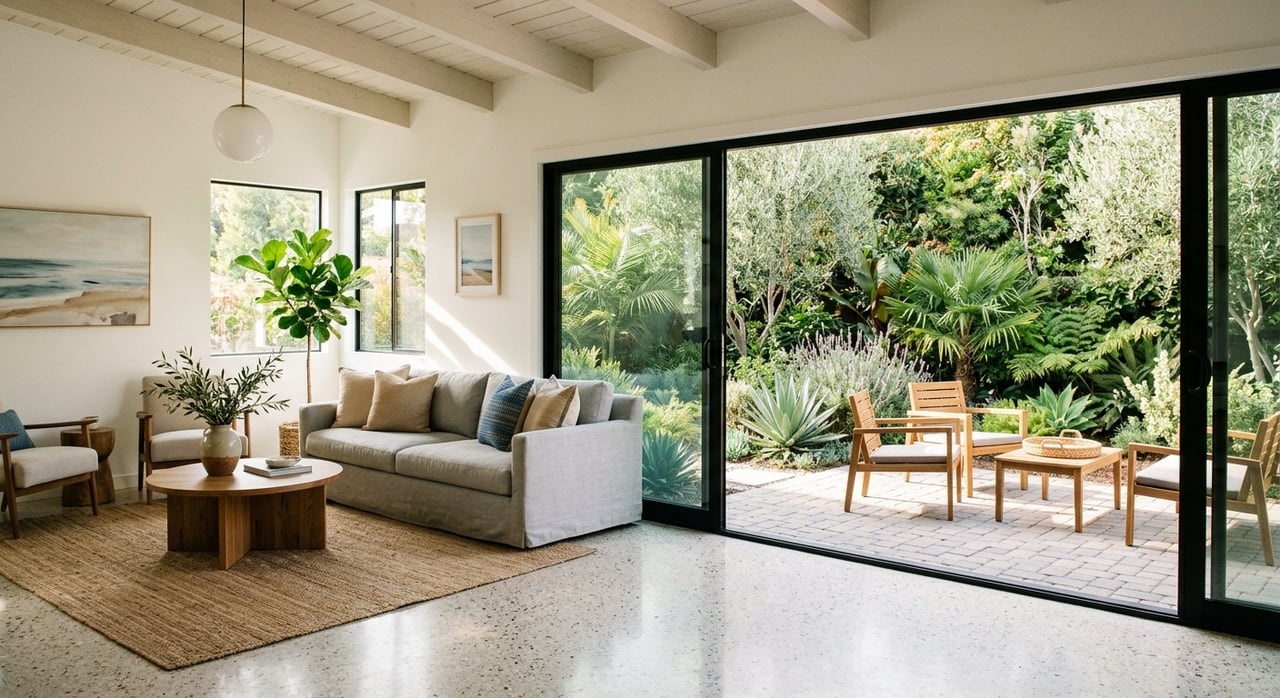
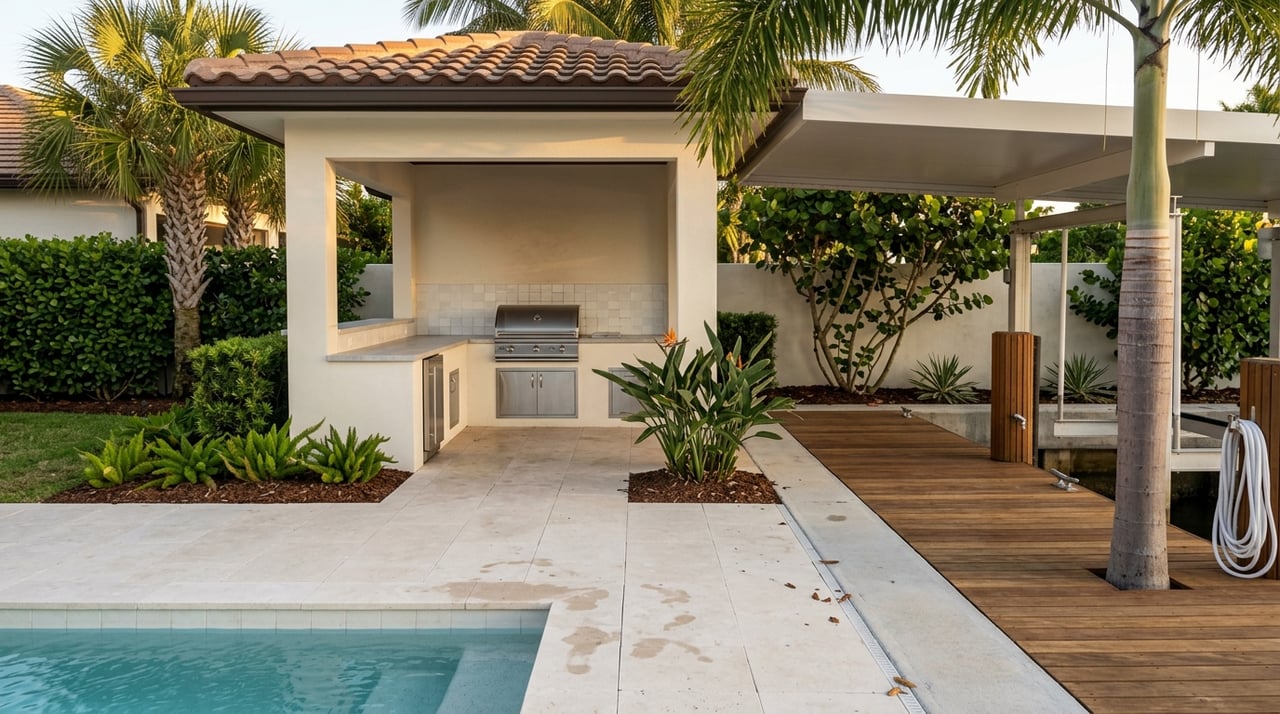
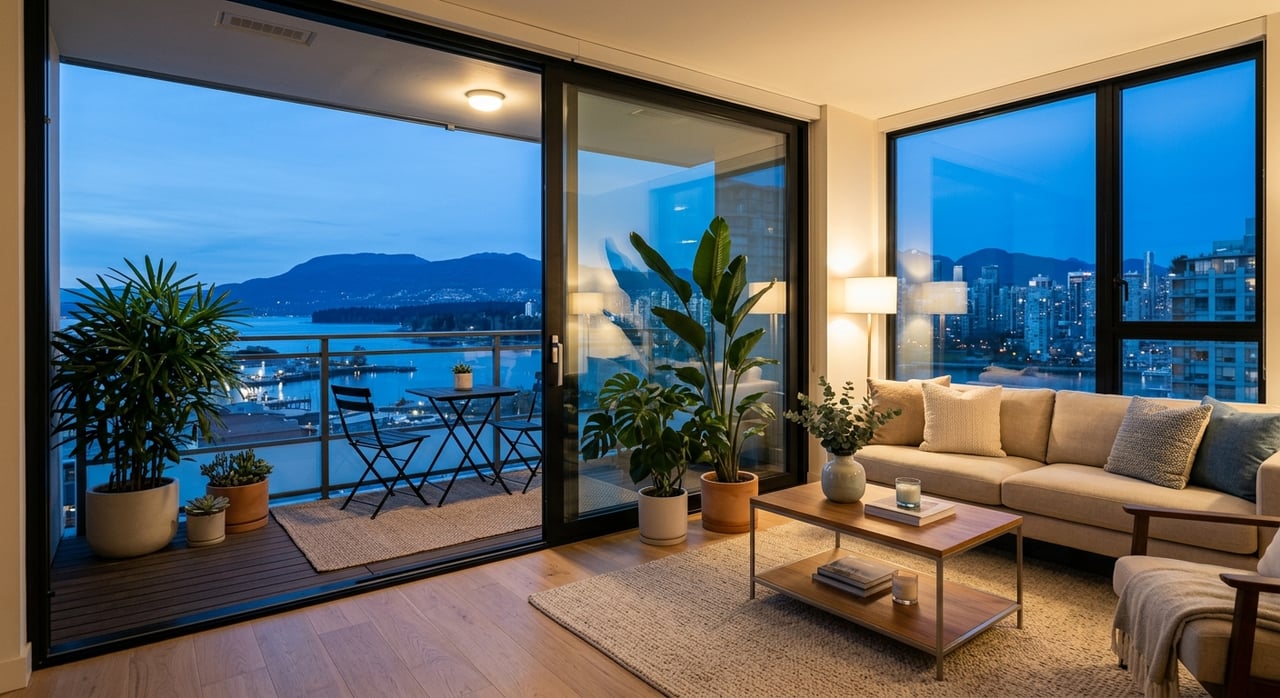
Highlight unobstructed water views and indoor to outdoor circulation. Stage the lanai and dock areas with clean, neutral furniture to showcase dining and lounge zones. NAR guidance notes that effective staging helps buyers visualize a home and can shorten days on market.
Photography and video that sell
Book a luxury photographer for twilight exteriors, aerials, and a short walk-through showing the path from living room to dock. For any drone work, hire an FAA Part 107 certified remote pilot, per FAA commercial operator guidance.
Listing details to include
- Shoreline frontage in linear feet
- Dock and boatlift specifications and capacity
- Flood zone and Elevation Certificate status
- Seawall and dock repair history, with dates and receipts
- Any HOA or association rules that affect docks or boats
- Proximity to ramps or marinas, if relevant
Assemble a clean listing packet
Make digital copies and share with qualified buyers. Include:
- Completed Florida Flood Disclosure under §689.302
- Current survey and any recorded easements
- Elevation Certificate and FEMA map printout, if available
- WDO report and transferable treatment warranties
- 4-Point and Wind Mitigation reports, plus roof documentation
- Dock, seawall, and boatlift permits, condition reports, and maintenance receipts
- Any approvals or letters related to sovereignty submerged lands and dock usage, if applicable
- HOA or POA documents and any notices of planned shoreline work
Timeline and cost ranges
Here is a simple planning timeline for luxury waterfront listings:
- Weeks 6 to 8: Order full home, WDO, dock and seawall, and pool inspections. If insurance could be an issue, schedule Wind Mitigation and 4-Point now.
- Weeks 3 to 5: Complete cosmetic fixes, dock tidying, and permitted repairs. Finalize staging and schedule photography and drone.
- Weeks 1 to 2: Assemble the listing packet, upload to the MLS, and set showing rules for dock access and on-water visits.
Typical cost notes:
- 4-Point inspections often run about 100 to 225 dollars, and Wind Mitigation 90 to 150 dollars. Many vendors bundle these services, as outlined in this Florida insurance inspection guide.
- Staging for high-end homes can range from a few thousand into the mid four figures. As a planning benchmark, consider 0.5 to 1 percent of list price. NAR reports staging can help reduce time on market.
- Seawall repair or replacement varies widely. Published ranges often start around 100 dollars per linear foot and can exceed 800 dollars per foot for complex work, with many projects reaching tens of thousands. Review at least three written quotes and involve an engineer, as summarized by Angi’s seawall cost overview.
Red flags to solve early
- Seawall or dock failures can limit financing or insurance until repaired and permitted. Get a condition report and quotes before you go live.
- Missing or incomplete Flood Disclosure can create legal exposure under §689.302. Complete the form and keep a dated copy.
- Permit gaps on prior dock or seawall work can surface during title and inspections. Verify permits now and be transparent with documents.
Your local advantage
When you prepare a Snell Isle waterfront home the right way, you protect your property value and give buyers the confidence to move quickly. If you want a tailored plan, vetted vendors, and premium marketing that showcases your dock, views, and lifestyle, reach out to Becky McConnell. We will get you market-ready with a clean file, a polished presentation, and a strategy that attracts serious waterfront buyers.
FAQs
What inspections do I need before listing a Snell Isle waterfront home?
- Order a full home inspection, WDO, 4-Point, and Wind Mitigation, plus a dock and seawall condition report by a licensed marine contractor or diver.
Do I have to provide a Flood Disclosure in Florida home sales?
- Yes. Florida requires a standalone Flood Disclosure for residential sales, and it must be delivered at or before contract execution.
How should I handle permits for my dock or seawall before I list?
- Confirm past permits and approvals, and consult on any needed DEP, USACE, or local permits before starting in-water work to avoid closing delays.
What marketing details matter most to waterfront buyers?
- Include shoreline frontage, dock and lift capacity, flood and elevation documentation, and recent repair receipts, plus high-quality photos and drone.
How much time should I allow to prepare my home to sell?
- Plan six to eight weeks for inspections and any repairs, three to five weeks for staging and photography, and one to two weeks to finalize documents and go live.