Understanding Historic Old Northeast Home Values
April 2, 2026
April 2, 2026
If you have ever looked at two homes in Historic Old Northeast and wondered why one commands a much higher price, you are not alone. In this neighborhood, value is shaped by more than square footage or a fresh kitchen. If you own, plan to buy, or may sell here, understanding what really moves the numbers can help you make smarter decisions. Let’s dive in.
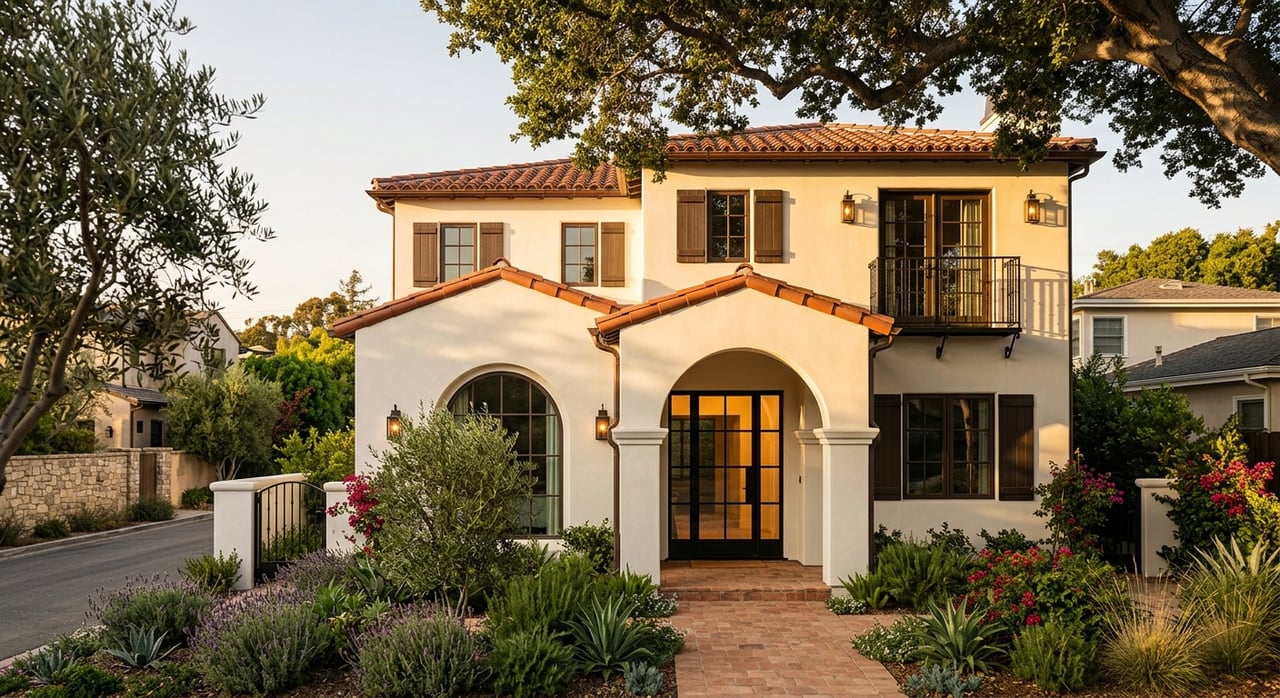
Historic Old Northeast is not a typical St. Petersburg neighborhood. According to the Historic Old Northeast Neighborhood Association, it was St. Petersburg’s first organized neighborhood and was listed on the National Register of Historic Places in 2003.
That history still shows up in the streetscape today. Brick streets and alleys, granite curbs, oak canopies, front porches, and hexagon block sidewalks all help create a setting that feels distinct and limited in supply. When a neighborhood has a strong identity and very little room to expand, that tends to matter for pricing.
The neighborhood boundaries also play a real role in value. HONNA defines Historic Old Northeast as the area north of 5th Avenue N/NE, south of 30th Avenue N/NE, east of North Shore Blvd NE and Coffee Pot Blvd NE, and west of 4th Street N, which helps create a very specific comp set for buyers, sellers, and appraisers to consider within the recognized neighborhood boundaries.
In Historic Old Northeast, location is one of the biggest value drivers because there is only so much land inside the neighborhood’s true boundaries. Buyers are often paying for a combination of historic character, access to waterfront green space, and close proximity to downtown St. Petersburg.
Walkability adds to that appeal. Walk Score rates Historic Old Northeast at 66, with a bike score of 82, and notes dozens of nearby restaurants, bars, and coffee shops. That kind of everyday convenience can support demand, especially for buyers who want a neighborhood feel without giving up access to parks, dining, and downtown destinations.
Micro-location inside the neighborhood matters too. A home’s position on a quieter brick street, its access to parks, or its relationship to major roads can all influence buyer interest. In a neighborhood with a tight footprint, even small location differences can affect how strongly a property competes.
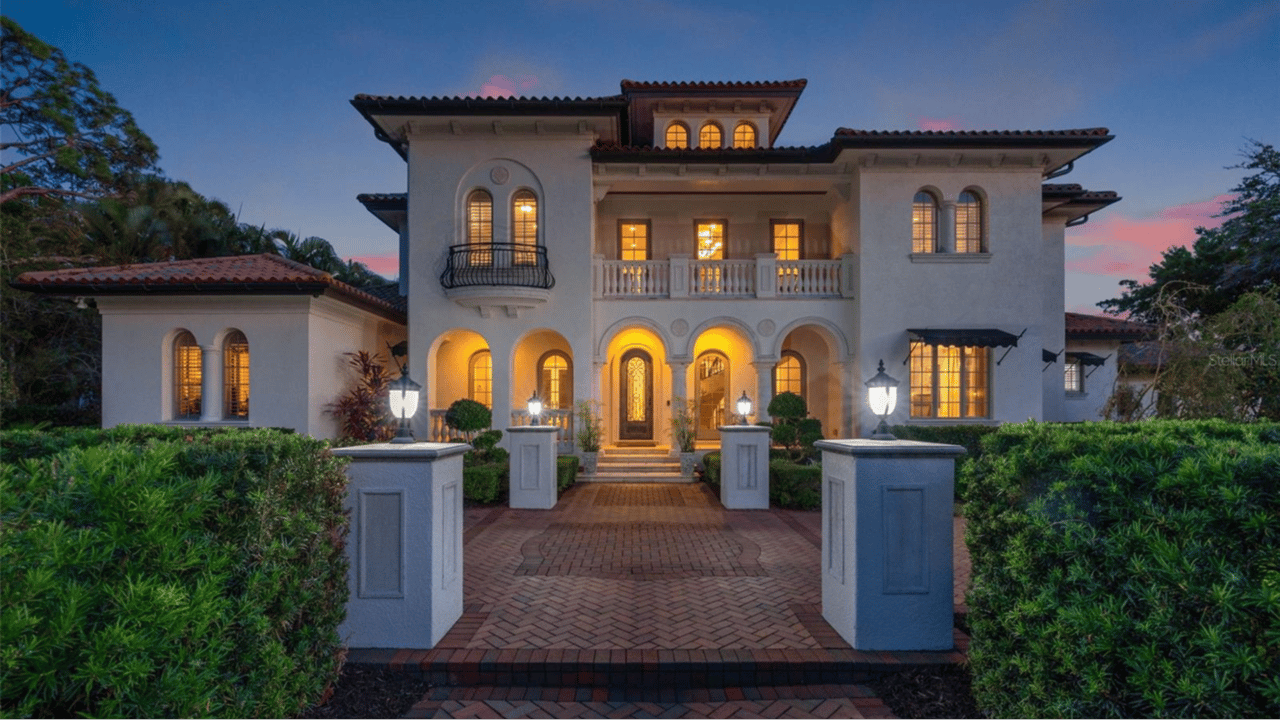
One of the clearest pricing drivers in Old Northeast is historic integrity. The neighborhood plan describes a housing stock with bungalow and Craftsman homes, Mediterranean Revival, Colonial Revival, Prairie, Mission, Vernacular, Dutch Colonial, Key West Cottage, American Foursquare, Tudor, and related styles.
That variety is part of the neighborhood’s appeal, but buyers are usually not looking for just any old house. They often respond most strongly to homes that still reflect their original architectural character, especially when updates have been made without stripping out the features that make the property feel authentic.
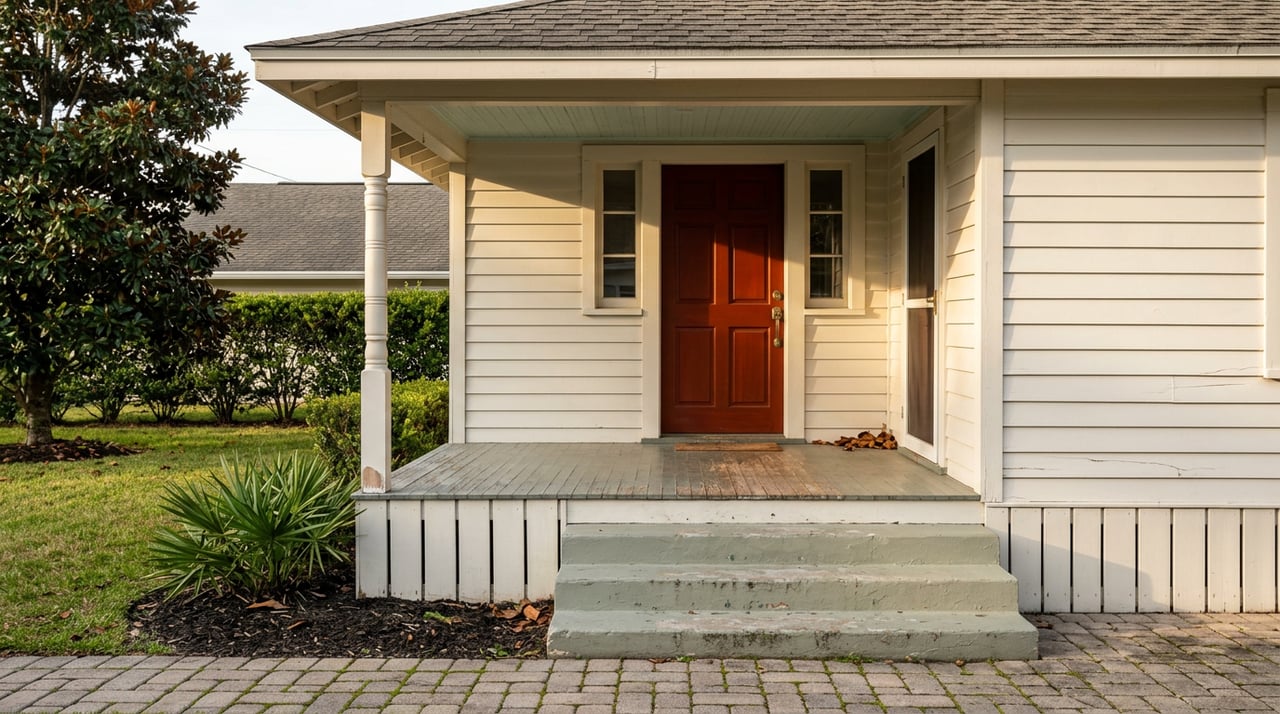
Porches facing the street, rear garages, and alley access also support the neighborhood’s original design pattern. Those details are not just charming. They shape curb appeal, functionality, and the overall feel of the block, all of which can influence value.
In many neighborhoods, a remodel is mostly judged by finishes and style. In Historic Old Northeast, the quality of renovation is also judged by how well the work fits the house and the district.
The City of St. Petersburg notes that structures within local or national historic districts may not be exempt from permit requirements, and its historic design guidance is intended to help owners make changes while retaining character-defining features and allowing sensitive modernization. In other words, expensive updates do not always add the most value if they ignore the home’s architectural context.
A city staff report on a parcel in the neighborhood also emphasized that a detached garage and accessory dwelling unit should match the main home’s architectural style, details, and materials. That is a useful example of how compatibility matters in real life, not just on paper.
If you are improving a home in Old Northeast, the most value-preserving projects are usually the ones that improve everyday livability while respecting the structure’s character. Based on the city’s design guidance and neighborhood context, that often includes:
These projects may not always be the flashiest, but they can make a major difference in how buyers evaluate condition, maintenance, and long-term ownership costs.
Land utility is another major driver of value in Historic Old Northeast. The neighborhood plan says lots are typically around 60 feet wide by 100 to 128 feet deep, with some narrower 45-foot lots in certain sections.
That may sound technical, but in a built-out historic neighborhood, lot dimensions matter a lot. Width affects how a home sits on the lot, the feel of the streetscape, parking and garage options, and what may be possible for additions or accessory improvements.
Alley access can also be a meaningful plus. It helps preserve front-facing curb appeal and often improves functionality for garages and rear access. In a neighborhood where design and layout carry a premium, those details can shape both usability and resale appeal.
Neighborhood fundamentals drive long-term value, but current market conditions help set the price range at any given moment. Recent data suggests that Historic Old Northeast remains one of St. Petersburg’s higher-priced neighborhoods, even though it is no longer moving at the pace seen during peak market years.
Zillow’s Home Value Index for Historic Old Northeast was $970,206 as of February 28, 2026, down 6.7% year over year, with 80 homes for sale. That points to a market that is still valuable, but more price-sensitive than before.
Miller Samuel’s Q4 2025 St. Petersburg report showed a median sales price of $982,500 for Historic Old NE single-family homes, with 38 closed sales, 73 days on market, 36 listings, and 2.8 months of supply. The same report showed a citywide St. Petersburg single-family median sales price of $445,500, which highlights how much of a premium this neighborhood still commands.
Not every home performs the same way in a changing market. In Historic Old Northeast, homes with strong historic integrity, better lots, thoughtful updates, and favorable micro-locations will often defend value better than homes with deferred maintenance or awkward alterations.
That does not mean every renovated home sells at the top of the market. It means buyers here tend to be selective, and they often pay more confidently when the home checks the right boxes.
Flood and wind exposure are part of the valuation conversation in coastal Florida, and Historic Old Northeast is no exception. These factors can affect insurance costs, buyer comfort, and resale strategy.
Redfin’s neighborhood page notes, using First Street risk data, that 48% of Historic Old Northeast properties face severe flood risk over the next 30 years and 100% face extreme wind risk. That does not mean every property is affected the same way, but it does mean risk should be reviewed early.
Pinellas County also directs buyers and agents to flood map and disclosure resources so flood zones and evacuation information can be verified during the process. For sellers, this is one reason accurate pricing depends on more than finishes and curb appeal alone.
If you are trying to estimate value in Historic Old Northeast, a broad price-per-square-foot approach can miss the mark. This is a neighborhood where two homes with similar size can have meaningfully different values based on style, condition, lot utility, location, and risk profile.
Fannie Mae’s guidance says appraisals should use at least three closed comparable sales and that comps should be physically and locationally similar. In Old Northeast, that means looking closely at:
That level of detail is one reason pricing in this neighborhood requires a much tighter analysis than a citywide average.
If you are buying in Historic Old Northeast, it helps to look past surface finishes and ask deeper questions. Does the home preserve the character that buyers in this neighborhood value? Does the lot offer strong utility? Are there location or risk factors that could affect long-term resale?
If you are selling, the same logic applies. The highest prices usually come from presenting the home in a way that highlights its architectural identity, condition, lot strengths, and place within the neighborhood, while pricing it against the right comp set.
Historic Old Northeast continues to stand apart because value here is tied to scarcity, preservation, livability, and location all at once. If you want a clear, neighborhood-specific read on what your home may be worth or how to compete as a buyer, Becky McConnell offers the hyperlocal insight and full-service guidance that can help you move with confidence.
Stay up to date on the latest real estate trends.
In real estate, every decision matters. With Becky’s strategic approach, you’ll have the insights and expertise needed to make informed moves that maximize your investment and achieve your goals in St. Pete’s dynamic market.