
Your 2026 Guide to the Cost of Living in St. Petersburg, FL
April 22, 2026
April 22, 2026
Singles typically spend about $1,225 per month excluding rent, and families of four budget around $4,374. Average rent sits at roughly $1,390, pushing a family’s total monthly expenses just over $5,000. These figures are averages and depend on lifestyle, housing choice, and whether you choose waterfront or inland living.
Moving to the Sunshine City is exciting, but the cost of living in St. Petersburg can surprise newcomers who love the idea of waterfront life. There are expenses that aren’t obvious at first glance.
Rising Insurance Premiums: Coastal properties face higher insurance costs. Rates are climbing, especially for homes near the water.
Condo Assessments for Seawalls and Upgrades: Many condominiums are planning or already paying for seawall repairs and building upgrades. These special assessments can add thousands of dollars to annual costs.
Boat Slips, Lifts and Maintenance: If you’re living in St. Petersburg, FL and enjoy boating, budget for slip rentals, lift fees, and ongoing maintenance. Those costs add up quickly.
We’ve seen new buyers stretch for a waterfront condo without calculating seawall repairs or flood insurance increases. Our local perspective helps you avoid expensive surprises.
This guide breaks down the obvious and hidden costs of living in St. Petersburg so you can plan your move with confidence.
A lower cost of living than much of Florida: St. Petersburg’s cost-of-living index sits roughly 9% below the U.S. average and about 12% lower than the overall Florida average. Grocery prices run about 4.5% higher than average, but housing, utilities, transportation, and healthcare tend to be cheaper. Compared to neighboring Tampa, St. Pete is about 1.5% more affordable overall.
Where your money goes: Households in St. Pete allocate about 35.5% of income to housing, 15.3% to transportation, and 14.3% to food. Personal insurance (10.1%), healthcare (7.6%), and entertainment (4.4%) make up smaller slices. These percentages mirror the national averages but confirm that housing remains your biggest expense.
To give you a feel for typical prices, here are some averages from 2025:
These basics illustrate why many find St. Pete’s everyday costs reasonable for a coastal city.
The 2026 housing market is still competitive but stabilizing. The median home listing price was around $275,000 in 2025, with a median sale price near $240,000. Homes typically sell in about 26 days and desirable neighborhoods can go in under a week. On average, expect to pay $193 per square foot.
For renters, the average monthly rent is $1,390, with one-bedroom units around $1,224 and two-bedroom units about $1,451. Rents have only climbed about 1.7% year over year, making the city more stable than many booming markets.
Living on the water isn’t just about beautiful sunsets. Waterfront properties command higher prices and come with very real maintenance, insurance, and boating costs. This section reveals what those numbers actually look like.
Most waterfront homes in St. Petersburg rely on seawalls to prevent erosion, and replacement costs typically range from $15,000 to $60,000, with larger or complex projects reaching $100,000 or more depending on materials and size.
Condo buyers should plan for special assessments, as many waterfront buildings now require structural upgrades and reserve funding, which can result in unexpected costs ranging from a few thousand to tens of thousands of dollars.
Boating is a major lifestyle perk in St. Pete, but storage costs add up. At Isla Del Sol Yacht Club, slip fees range from about $9.50 to $13.50 per foot monthly, with additional costs for electricity and limited availability for boat lifts.
At the St. Petersburg Municipal Marina, rates are higher at around $25 per foot per month plus tax, meaning a 30-foot boat can cost about $750 monthly. Limited availability and long waitlists often lead homeowners to install private lifts starting at $15,000.
Cost breakdown example:
These figures don’t include fuel, maintenance, insurance, or trailer storage, which can add thousands annually. When planning your budget, treat boating as a lifestyle choice rather than an incidental expense.
Risk Rating 2.0 changes how FEMA sets flood insurance premiums by evaluating each home’s elevation, proximity to water, and reconstruction cost instead of relying solely on zone maps. Two properties in the same zone can therefore have very different rates, which makes it important for St. Petersburg homeowners to understand the new model.
Premium Increases and Costs: Existing NFIP policies will see annual increases capped at 18% for primary homes and 25% for second homes or businesses, but waterfront properties in VE and AE zones may face multi-year hikes until they reach the full rate. Premiums in high-risk areas typically start around $2,000 to $4,000 and could climb above $6,000, so many homeowners explore private flood insurance or work with a specialist to manage these costs.
St. Pete’s walkable downtown and expanding SunRunner bus rapid-transit system keep transportation costs manageable. The average resident spends roughly 15.3% of income on transportation. Gas remains relatively cheap, but car insurance rates in Florida trend higher than the national average. Many downtown residents save money by biking or using rideshare apps instead of maintaining a second vehicle.
Dining out ranges from $15 at a casual cafe to $75 or more for a three-course dinner. Farmers’ markets and seafood stands offer fresh local produce and Gulf fish at reasonable prices. Brewing culture is booming; a craft pint costs $5 to $7, and a six-pack of Heineken costs roughly $9.47.
The average salary in St. Petersburg is around $60,000, with a median household income of $58,057. While wages are slightly below the national average, the lower cost of living makes this income comfortable for many. Major employers include tech firms, healthcare providers, tourism, and the arts. Remote workers flocking to St. Pete appreciate the ability to earn big-city wages while enjoying lower living expenses.
Zillow and Redfin do a great job at listing homes, but they often miss the micro-factors that shape true livability. As local experts, we’ve spent years exploring St. Pete’s diverse neighborhoods. Here are a few insights:
Understanding these nuances helps you align lifestyle priorities with budget realities. We also know which buildings plan major assessments and which ones have recently completed upgrades, so you’re not blindsided after closing.
Despite the additional costs of coastal living, St. Petersburg remains one of Florida’s most livable cities. You get year-round sunshine, vibrant arts, walkable neighborhoods, and quick access to some of the Gulf’s best beaches. When you budget for higher insurance, occasional assessments, and boat expenses, the rewards can far outweigh the costs.
St. Petersburg’s 2026 cost of living is manageable compared to other coastal markets, but waterfront living involves extra costs like seawall upkeep, slip fees, and flood insurance, so plan ahead and lean on local experts.
Get a free copy of our Buyer’s guide or schedule a private consultation with Becky McConnell to discuss your goals, explore current opportunities, and create a strategy tailored to your next move. https://stpeteliving.org/contact
Stay up to date on the latest real estate trends.


Real Estate

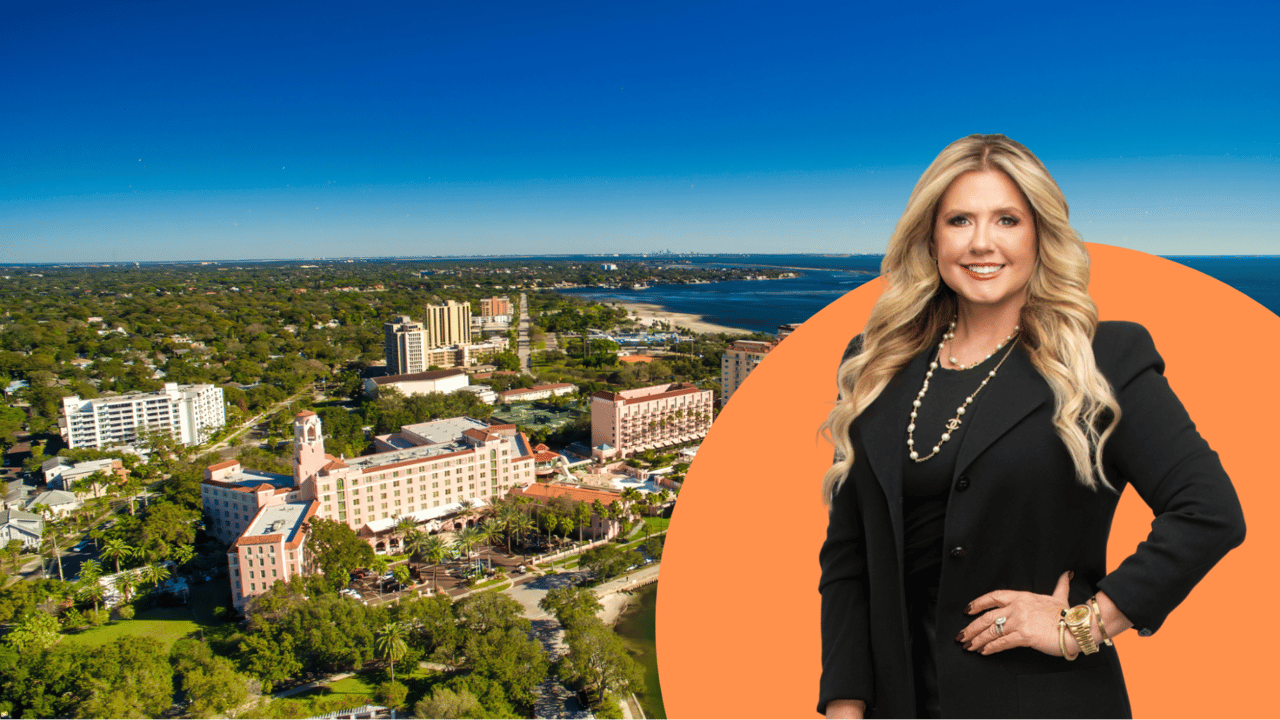
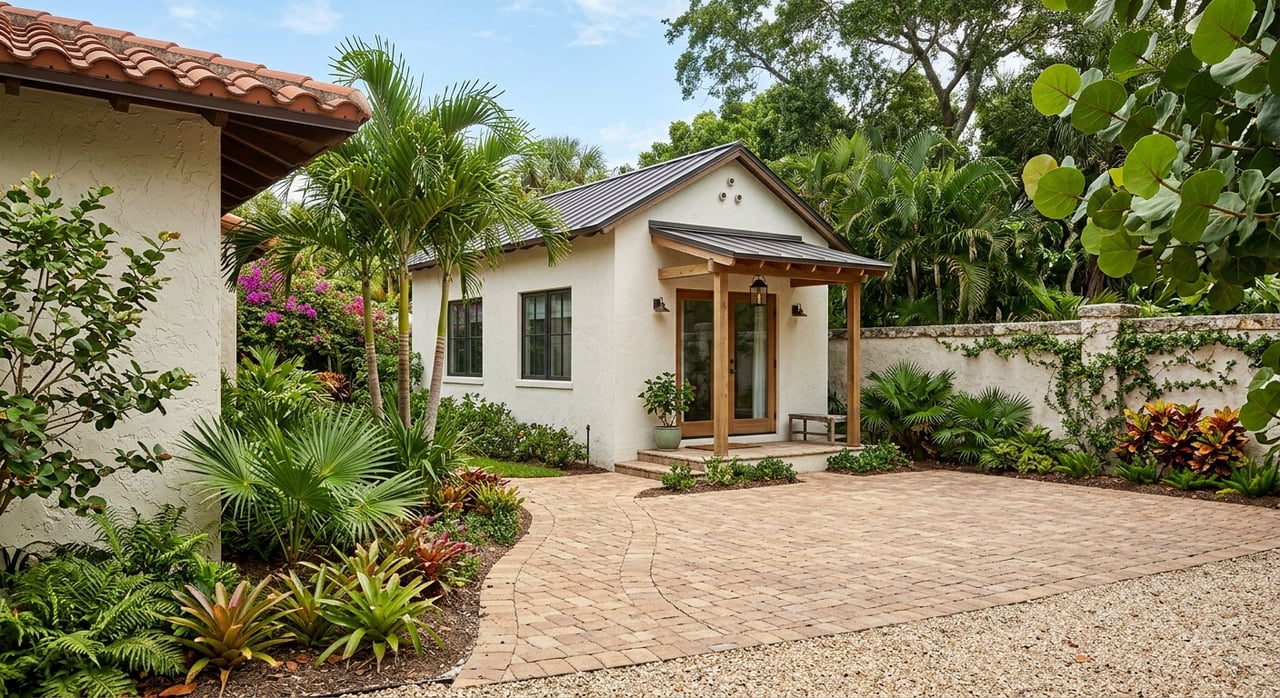
In real estate, every decision matters. With Becky’s strategic approach, you’ll have the insights and expertise needed to make informed moves that maximize your investment and achieve your goals in St. Pete’s dynamic market.