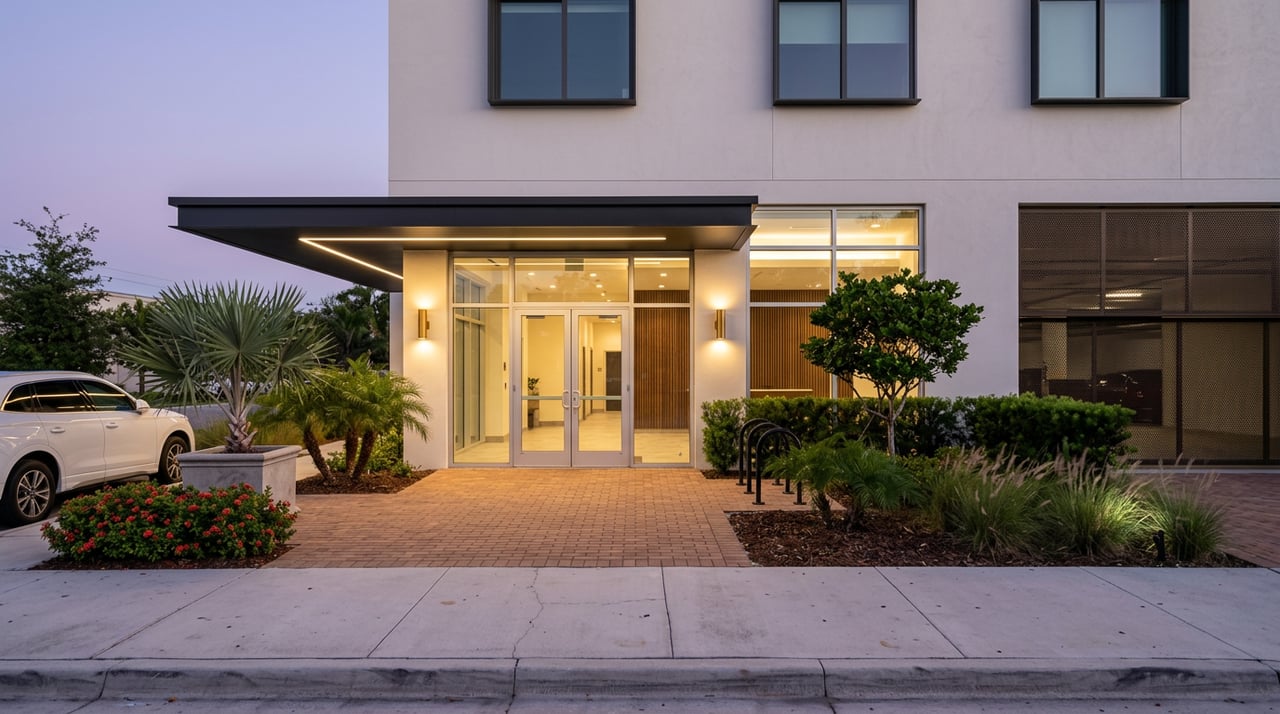
Choosing the Best Downtown St Pete Condo Building
March 5, 2026
March 5, 2026
Picture yourself stepping out your front door for morning coffee on Central, catching a show at the Mahaffey, and ending the day with sunset at the Pier. That is the promise of downtown St. Pete living. The key is matching your lifestyle and risk tolerance to the right condo building, because the building you choose will shape your costs, rules, financing options, and daily routines. In this guide, you will learn how to compare building types, HOA health, parking, rentals, insurance, and lending so you can buy with confidence. Let’s dive in.
Downtown St. Petersburg’s core centers on Beach Drive, the St. Pete Pier, Central Avenue, and nearby arts anchors like The Dalí Museum. Many buyers choose the area for walkability, waterfront parks, dining, and culture. Buildings range from luxury towers along the waterfront to boutique mid‑rises and historic conversions near Central and the Edge District. That mix creates big differences in dues, rules, and financing.
Clarify the top three things you want from downtown living. Then use those to filter buildings.
Newer and mid‑2000s towers often offer doormen, pools, gyms, and structured parking. You get services and security, usually with higher dues. Watch for elevator wait times, hurricane wind deductibles on the master policy, and the rarity and cost of boat slips. Lenders look closely at association health in these projects, so financing can depend on the building’s status under Fannie Mae project standards.
You will find mixed‑use mid‑rises with ground‑floor retail along Central and Beach Drive. They are very walkable to restaurants and galleries. Parking can be limited or rely on deeded spaces and nearby public garages. Small HOAs can feel intimate, but governance and reserves vary.
Older low‑rises and small associations may come at lower price points. Balance that with the potential for exterior work, limited reserves, and special assessments. Condo‑hotel or operator‑run properties can have strict rental regimes and face added lender scrutiny for warrantability per Fannie Mae’s guidance.
Your building’s physical and financial health directly affects your monthly cost, risk of special assessments, and loan options.
Florida law requires milestone inspections and Structural Integrity Reserve Studies (SIRS) for many condo buildings that are 3 stories or higher. Associations that existed on or before July 1, 2022 had statutory deadlines to complete SIRS and related reporting. These reports can change budgets and may lead to special assessments. Review the Florida Condominium Act and milestone provisions for details and buyer disclosure rules in Chapter 718, Florida Statutes, and see DBPR’s guidance and portal for SIRS reporting and records at the Division of Condominiums.
Why it matters: the presence, date, and findings of a milestone or SIRS report help you gauge near‑term projects and funding needs. You want to know what repairs are coming and how the board plans to pay for them.
Ask for these items early. Florida law regulates many of these records and the estoppel certificate in resales under Chapter 718.
Focus on reserves. Industry professionals use the percent‑funded metric to compare the reserve balance to a fully funded target. As a rough guide, about 70 percent or higher is generally healthy, 30 to 70 percent is moderate risk, and below roughly 30 percent is high risk for special assessments. Context matters based on the building’s components and timing. Learn more about percent funded from this reserve study guide.
Downtown buildings sit under three layers of short‑term rental rules. You need all three to allow your intended use.
Practical tip: Downtown commercial zoning increases the odds that short stays are possible, but you must still verify HOA language and the county CU program before you assume nightly rentals are allowed.
Parking can shape your daily routine and resale value. Some buildings include deeded garage spaces. Others rely on assigned spots, on‑street parking, or public garages. The City of St. Petersburg runs a Residential Parking Program for downtown with a virtual permit system. A typical example fee for a resident permit is $30 per calendar year. You can review permit details and public garage options on the city’s site for parking and transportation.
Walkability is the draw. Test the walk from a building to your favorite Central Avenue restaurants, the Pier, and museums like The Dalí Museum. Visit during peak hours and weekends to check street parking turnover, ride‑share pick‑up ease, and garage access.
Flood zones and hurricane risk affect lender rules and your insurance spend. Downtown buildings vary by FEMA flood zone. Confirm the exact flood zone and elevation using the FEMA Flood Map Service Center. For condos, look at the association’s master policies too. Hurricane and wind deductibles are often a percentage of building value and can translate into owner assessments after a storm. Ask the association for current declarations and deductible terms, and whether there is a master flood policy.
Conventional lenders and secondary‑market buyers evaluate the entire condo project, not just your unit. Factors that can make a project non‑warrantable include heavy commercial space, a high share of investor‑owned units, inadequate reserves, high delinquencies, significant litigation, or one owner controlling too many units. If a project is non‑warrantable, financing choices may be limited or more expensive. Review the key triggers in Fannie Mae’s project standards and ask your lender for an early project review using Fannie Mae’s condo project eligibility resources.
Use this checklist to compare buildings and reduce surprises.
The best downtown St. Pete condo buildings balance walkability, sound HOA finances, clear rules, and lending flexibility. When you pair a clear set of priorities with a careful review of inspections, reserves, insurance, and parking, you can enjoy the culture and convenience you moved downtown to have.
If you want a curated shortlist and a streamlined due‑diligence process, connect with Becky McConnell. You will get local insight, vetted lender and attorney introductions, and white‑glove coordination from offer to closing.
Stay up to date on the latest real estate trends.


In real estate, every decision matters. With Becky’s strategic approach, you’ll have the insights and expertise needed to make informed moves that maximize your investment and achieve your goals in St. Pete’s dynamic market.