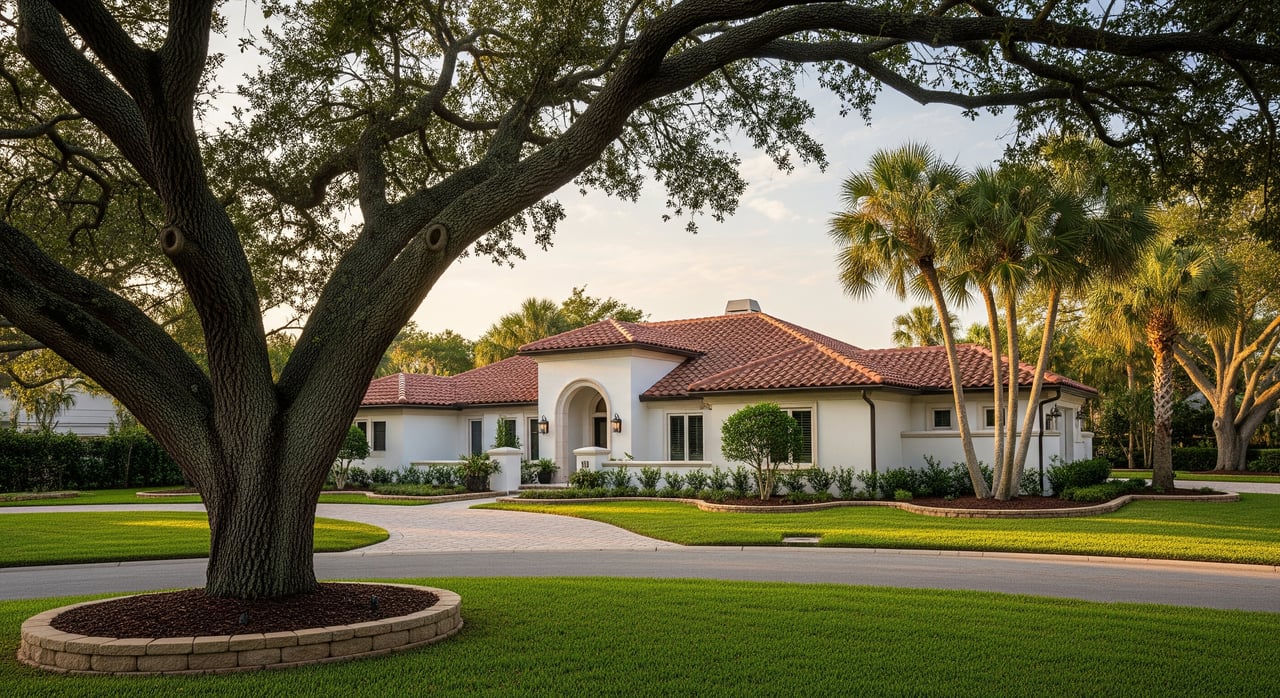
Tree Care Insurance Guidance for Euclid St. Paul Homes
November 6, 2025
November 6, 2025
Towering live oaks and broad canopies define Euclid St. Paul’s. They cool your streets, boost curb appeal, and shape the neighborhood’s character. They can also create risk if branches fail during summer storms. If you want to preserve your trees, protect your home, and avoid headaches with permits or insurance, you’re in the right place. In this guide, you’ll learn practical pruning tips, when permits are likely needed, how insurance typically responds to tree claims, and what to document to keep you covered. Let’s dive in.
Mature canopy trees are a signature feature in Euclid St. Paul’s. Many are live oaks, magnolias, and other broadleaf species. These trees are both an asset and a responsibility in a high-wind, hurricane-prone region.
From June 1 through November 30, Florida’s hurricane season brings intense wind and saturated soils that can stress roots and branches. With thoughtful maintenance and good records, you can reduce risk, comply with local rules, and position your property for smoother insurance and resale outcomes.
Plan routine pruning in the drier months when pest and disease pressure is typically lower and visibility into the canopy is better. Local conditions vary, so confirm timing with a local arborist familiar with St. Petersburg trees or consult UF/IFAS Extension guidance. Avoid heavy pruning during peak stress periods.
Healthy, established shade trees often benefit from maintenance pruning every 3 to 5 years. Your schedule depends on species, age, site exposure, and risk factors. Young trees may need more frequent formative pruning to set strong structure early.
Avoid topping or removing large portions of the canopy. Topping weakens trees, invites decay, and encourages hazardous regrowth. Instead, focus on selective cuts that follow accepted standards.
Use structural pruning to remove dead wood, address weakly attached limbs, and reduce end weight on long branches over driveways and roofs. Selective thinning can reduce wind resistance, but heavy crown reduction should only follow an on-site assessment by an ISA-certified arborist. If bracing or cabling is recommended, have a qualified professional design and install the system and confirm whether permits apply for significant or protected trees.
Protect the root zone around mature trees during any construction or landscape work. Keep trenching, soil compaction, and grade changes away from the dripline when possible. Root damage is a common cause of delayed limb failure and uprooting during storms.
Municipal tree ordinances commonly require permits for removing or significantly pruning larger-diameter trees, for work on protected or heritage trees, and for any clearing or grading that impacts root zones. Requirements can also change if the tree is in a setback, conservation area, wetland, or right-of-way. Private neighborhood or HOA rules may add conditions.
Do not rely on general thresholds. Before major work, review the City of St. Petersburg’s current tree protections, any Pinellas County requirements that might apply, and your neighborhood or HOA rules.
If a limb or tree presents an immediate life-safety hazard, arrange emergency removal with a licensed, insured contractor. Cities often allow emergency action, then require notification and follow-up documentation or inspection. Keep time-stamped photos, the arborist’s notes, invoices, and any city communication. Unpermitted non-emergency removal can result in fines or required mitigation.
If a tree or branch falls and damages a covered structure like your home or attached garage, homeowners insurance commonly pays for structural repairs, subject to your deductible. Debris removal is often covered when tied to a covered loss, though limits can apply. If a tree falls without damaging a covered structure, some policies offer limited debris removal, while others may not. If a tree falls on a vehicle, the claim typically goes through comprehensive auto coverage.
Many Florida policies carry separate wind or hurricane deductibles that are a percentage of the dwelling coverage amount. During named storms, this can significantly raise your out-of-pocket cost for tree-related damage. Review your policy now to understand which events trigger the special deductible and how it applies.
If a homeowner knows a tree is hazardous and does nothing, and it later damages a neighbor’s property, liability can apply depending on local law and the facts. If a tree fails during a storm without prior indications of hazard, liability is often less clear. Proactive maintenance and documentation help demonstrate responsible ownership.
Tree health and documentation can influence buyer confidence and insurance underwriting. A tidy file that shows arborist assessments, permitted pruning or removals, and final approvals signals responsible ownership. Buyers appreciate clarity, and insurers value documented risk reduction.
If you plan improvements or construction, involve an arborist early to protect the root zone and avoid later surprises. Careful planning preserves curb appeal, reduces risk of storm loss, and keeps your transaction on track.
You deserve a smooth process that respects both your trees and your time. Our team pairs deep neighborhood knowledge with a vetted vendor network to help you prepare your home for market or for long-term peace of mind. We can connect you with ISA-certified arborists, experienced tree contractors, and trusted professionals who understand St. Petersburg’s permitting environment. We also coordinate with your timeline so your listing photos, showings, and inspections benefit from a clean, well-maintained canopy.
If you are unsure where to start, we can help you outline a step-by-step plan for assessments, permits, and documentation that aligns with your goals.
Ready to plan your next steps with local guidance and a trusted network behind you? Connect with Becky McConnell and team for tailored advice and a smooth path forward. Get Your Instant Home Valuation today.
Stay up to date on the latest real estate trends.

In real estate, every decision matters. With Becky’s strategic approach, you’ll have the insights and expertise needed to make informed moves that maximize your investment and achieve your goals in St. Pete’s dynamic market.