Is Downtown St. Pete Condo Living Possible Without a Car?
July 2, 2026
July 2, 2026
If you love the idea of stepping out of your condo and walking to coffee, groceries, waterfront parks, and dinner, downtown St. Petersburg makes that lifestyle feel surprisingly realistic. For many buyers, the big question is not whether downtown is fun. It is whether it is practical enough to live with one car, or no car at all. The good news is that downtown St. Pete offers a strong mix of walkability, transit, bikes, scooters, and rideshare backups that can make daily life much easier. Let’s dive in.
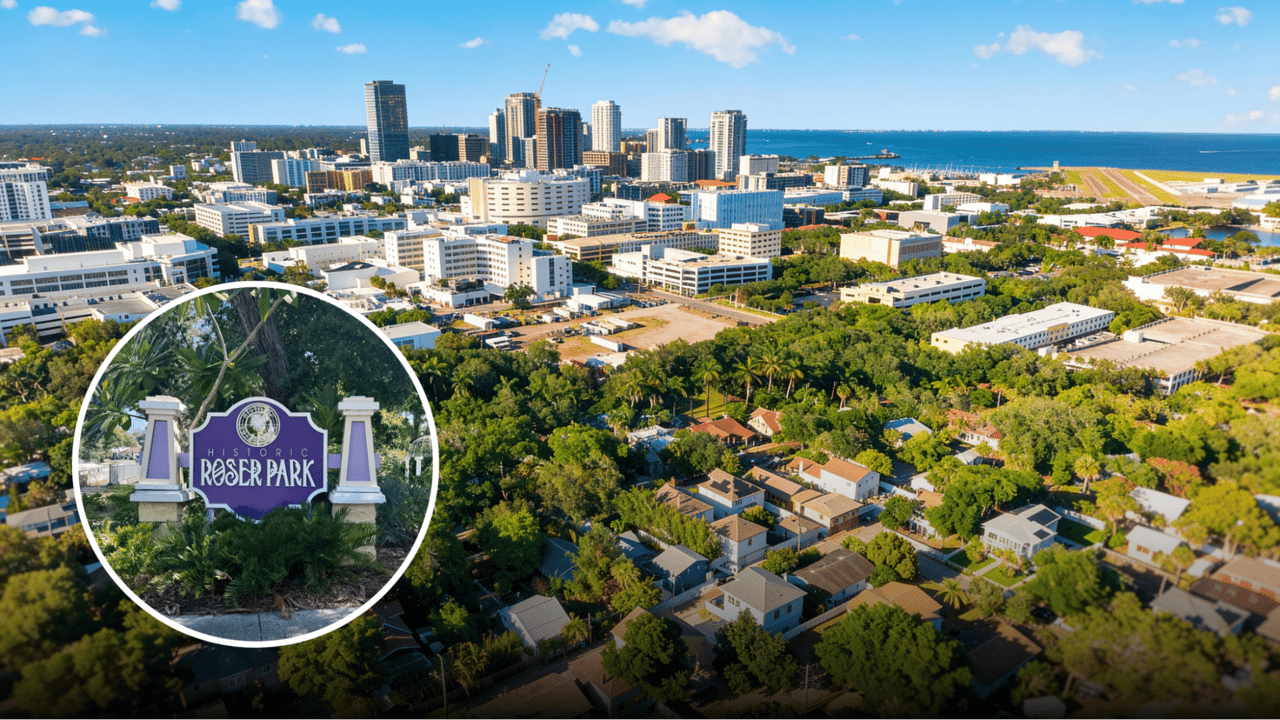
Downtown St. Petersburg stands out because it was built to balance vehicle access with a strong pedestrian experience. City planning materials describe downtown as a regional activity center, and the downtown guide describes it as pedestrian-friendly and centered around waterfront parks, shops, galleries, and attractions.
That matters when you are condo shopping. A car-free or car-light lifestyle only works when your daily routine can happen close to home, and downtown St. Pete gives you that possibility in a way many Florida neighborhoods do not.
One of downtown’s biggest strengths is its compact layout. You are not just walking to entertainment. You may also be able to combine errands, dining, recreation, and day-to-day stops in the same trip.
The city’s downtown guide highlights the ability to stroll through waterfront parks and historic streets to reach shops, galleries, and attractions. The St. Pete Pier district adds even more options, with space to stroll, bike, dine, shop, swim, and attend events in one 26-acre waterfront area.
A walkable neighborhood needs more than scenic views. It also needs practical places woven into your regular routine. Downtown’s current Looper route includes stops at the Pier, BayWalk, the Dalí Museum, the Museum of Fine Arts and Beach Drive area, and a Publix stop on 2nd Street South.
That mix is important because it shows how downtown supports both leisure and daily needs. You are not relying on a single destination district. You are living in an area where errands and experiences can exist side by side.
For many condo buyers, the waterfront is not just a view. It is part of how you will actually use the neighborhood. Downtown St. Pete’s shoreline is planned as a public, park-like activity space, which gives residents easy access to outdoor areas without needing to drive.
The downtown parks system includes 7 miles of waterfront parks. North Shore Park, South Straub Park, and Demens Landing Park are all part of that network, and Demens Landing alone is described as a 14-acre park suited to strolling or leisurely biking.
When people picture downtown living, they often think first about dining and entertainment. Those are part of the appeal, but the real value of downtown St. Pete is that you can also step outside and quickly reach bayfront paths, green space, and public gathering areas.
That can make condo living feel more open and flexible. Instead of planning a drive every time you want fresh air or a change of scenery, you may have it just minutes from your building.
Walkability is the foundation, but transit is what helps many downtown residents reduce car use even more. In downtown St. Pete, that network is strong enough to support a real car-light lifestyle for many households.
The Downtown Looper is one of the most useful tools for condo residents. According to PSTA, it is free, runs every 15 to 20 minutes seven days a week, and serves major downtown stops including the Pier, Museum of History area, Renaissance Vinoy Resort, Museum of Fine Arts and Beach Drive, BayWalk, Florida Holocaust Museum, USF St. Petersburg, the Dalí Museum, Hilton St. Petersburg, and more.
For buyers who want to avoid moving the car for short trips, that kind of route coverage can make a big difference. It gives you another option for errands, events, and getting around the core without dealing with parking each time.
The Central Avenue Trolley is another helpful downtown connector. PSTA describes it as a free trolley running every 20 minutes between the St. Pete Pier and Grand Central Station, while the downtown guide notes that it extends from downtown out toward Pass-a-Grille and St. Pete Beach, with the downtown-to-Grand Central portion in a free fare zone.
If you are looking at condos in or near the downtown core, this route can widen your range without making you dependent on a car. It also adds flexibility for reaching restaurants, shops, and nearby districts along Central Avenue.
When you need to go beyond the immediate downtown area, the SunRunner becomes especially useful. PSTA describes it as Tampa Bay’s first Bus Rapid Transit service, with dedicated lanes, accessible stations, peak service every 15 minutes, and a trip of about 35 minutes between downtown St. Petersburg and St. Pete Beach.
That makes it a meaningful option for corridor travel, not just a backup plan. It also includes onboard bike racks, which can help if your transportation style mixes transit with cycling.
A car-free lifestyle usually works best when you have more than one way to get around. Downtown St. Pete gives residents several micromobility options that can fill in the gaps between walking and transit.
The downtown guide says there are 300 e-bikes across more than 30 downtown locations and more than 850 e-scooters at over 100 parking corral locations. That kind of network makes short trips easier when walking is not ideal because of heat, time, or distance.
For condo residents, these options can be especially helpful for last-mile trips. You may not need to own a bike or scooter to benefit from the flexibility they offer.
PSTA’s Direct Connect program adds another practical layer. It provides discounted Uber, Lyft, United Taxi, and Wheelchair Transport rides to and from 26 locations countywide, operates seven days a week from 5:00 a.m. to midnight, and is designed to help bridge the gap between your trip and the transit network.
That does not mean rideshare replaces every transportation need. What it does mean is that downtown residents have a useful backup when walking, transit, or micromobility is not the best fit for a specific trip.
If you are serious about living car-light or car-free, the building matters almost as much as the neighborhood. Two condos in the same part of downtown can feel very different depending on parking, storage, and access details.
Downtown has more than 25,000 off-street parking spaces and about 6,500 on-street spaces, according to the city’s downtown parking guide. Many street spaces are time-limited, and city-owned garages are listed at $1 per hour with a $6 daily maximum on normal workdays.
Before you choose a building, ask questions like these:
These details are not minor. In downtown St. Pete, they directly affect how easy your daily routine will feel.
Downtown St. Pete may make a car optional for many residents, but that does not mean every lifestyle will feel effortless without one. The key is understanding the tradeoffs before you buy.
Florida weather can shape your transportation choices more than you might expect. Heat, rain, and storms can make walking or micromobility less appealing on some days.
PSTA also notes that service can vary with traffic and weather. The SunRunner page specifically mentions First Friday street closures that affect parts of downtown, so event nights can sometimes change the flow of getting around.
If your routine is centered on downtown errands, dining, arts, and waterfront recreation, living without a car may be very workable. If you commute widely, carry gear often, or need frequent regional flexibility, a hybrid setup with occasional car use may make more sense.
That is why the most accurate way to think about downtown St. Pete is not that it is anti-car. It is that, for many residents, a car becomes optional rather than mandatory.
The answer depends on how you actually live. If you want a condo lifestyle where you can walk to parks, restaurants, culture, and many daily stops, downtown St. Pete offers one of the strongest setups in the Tampa Bay area.
The smartest move is to match the building to your habits. A beautiful condo is only part of the equation. Transit access, bike storage, parking terms, and neighborhood connections are what turn a great-looking property into a truly livable one.
If you are comparing downtown condos and want help weighing location, building rules, parking, and lifestyle fit, Becky McConnell can help you narrow your options with local insight and a polished, full-service approach.
Stay up to date on the latest real estate trends.



In real estate, every decision matters. With Becky’s strategic approach, you’ll have the insights and expertise needed to make informed moves that maximize your investment and achieve your goals in St. Pete’s dynamic market.