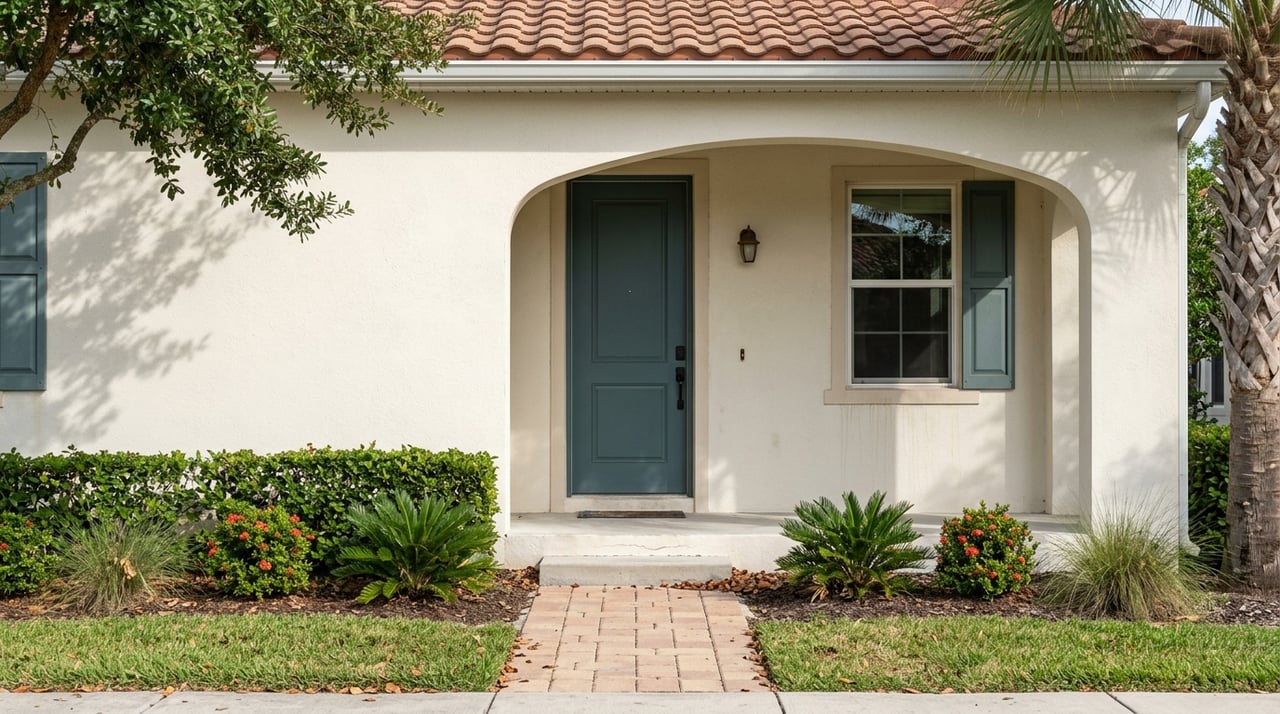
Historic Old Northeast Walking Tour of Landmark Homes
July 16, 2026
July 16, 2026
Looking for a neighborhood walk that feels like a living architecture guide? In Historic Old Northeast, you can move from brick streets and hexagonal block sidewalks to bay views and a wide mix of historic home styles in just a few blocks. If you love character, design, and the story behind older homes, this self-guided tour will help you see what makes the area so memorable. Let’s dive in.
Historic Old Northeast is part of the National Register district identified as the North Shore Historic District, also called the Old Northeast Residential Neighborhood. According to Florida Memory, the district covers about 425 acres, includes 2,975 historic buildings, and was added to the National Register of Historic Places on February 20, 2003.
The neighborhood is roughly bounded by 4th Street N, 5th Avenue N, Tampa Bay, and 30th Avenue N. The National Register nomination describes it as one of the first suburban residential areas developed outside St. Petersburg’s central business district. That early growth still shows up in the street layout, lot pattern, and home design you see today.
One of the best things about this neighborhood is that it does not feel frozen into a single style. Instead, it reads like a layered historic district with a preserved street grid, varied architecture, and strong streetscape details that tie it all together.
As you walk, look for these neighborhood features:
These details help explain why the area feels so distinct from newer development. Even before you focus on any one house, the public streetscape tells you that you are somewhere with deep roots.
A practical place to begin your walking tour is Sunken Gardens at 1825 4th St. N. Visit St. Pete/Clearwater describes it as one of Florida’s original roadside attractions, officially opened to the public in 1936, with more than 500 species of native and exotic plants.
This stop gives you a strong sense of contrast. You begin with lush, curated landscape design, then step into a residential district where canopy, sidewalks, and older homes create a different but equally rich visual experience.
From here, you are near the west edge of the district and can start moving east into the neighborhood grid. That route makes it easy to watch the setting shift from busy corridor to quieter residential blocks.
The National Register nomination points to Beach Drive, North Shore Drive NE, 4th Street, 1st Street, 9th Avenue, 22nd Avenue, and Locust Street as major corridors and gateways. For a self-guided walk, those streets help you connect the interior neighborhood with the waterfront edge.
As you move through the area, pay attention to how consistent planning creates a calm rhythm. Straight avenues, mature landscaping, and repeating front setbacks make it easier to appreciate the differences between homes without losing the sense of neighborhood continuity.
Craftsman bungalows are among the most common and easiest styles to recognize in Historic Old Northeast. If you are house hunting in the area, learning these features can help you quickly read the architecture from the sidewalk.
Look for classic Craftsman details such as:
The district is far more varied than Craftsman alone, though. The National Register nomination identifies Frame Vernacular as the dominant house type, along with Colonial Revival, Mediterranean Revival, Prairie, Masonry Vernacular, Tudor Revival, Classical Revival, Renaissance Revival, Monterey, and Art Moderne.
That variety is part of the neighborhood’s appeal. One block may feel simple and bungalow-driven, while the next introduces more formal symmetry, stucco finishes, or decorative revival-era detailing.
If you want your walk to feel more like a visual scavenger hunt, a few named examples can help anchor what you are seeing. The National Register nomination highlights several homes that represent specific architectural styles.
Here are four useful reference stops:
These homes help bring the style categories to life. Instead of thinking in abstract design terms, you can connect each label to rooflines, entry details, window patterns, and the way the house sits on its lot.
A good walking tour also means seeing the neighborhood clearly. While Historic Old Northeast is strongly historic overall, the district is not perfectly uniform.
The National Register nomination notes that the area includes noncontributing resources, including some post-1950 buildings and older homes that have been altered over time. That mix is part of the real story of the neighborhood. It reflects decades of change rather than a museum-like streetscape.
If you want the most distinctive planned pocket in the neighborhood, head north to Granada Terrace. Visit St. Pete/Clearwater says it was platted in February 1924 by developer C. Perry Snell and designed with parkways, curved streets, and circular plazas in the roadway.
This section feels different from the standard grid. The curved layout and ornamental elements give it a more designed, almost theatrical sense of arrival, which makes it especially fun to explore on foot.
The district nomination also points to decorative features including:
These features add another layer to the walking tour. You are not only looking at houses here. You are also seeing how landscape planning and civic ornament shaped the neighborhood experience.
For a strong ending, make your way toward North Shore Park and Vinoy Park. Visit St. Pete/Clearwater says North Shore Park runs along Tampa Bay from Coffee Pot Bayou to Vinoy Park and includes walking paths, North Shore Beach, tennis courts, benches, playgrounds, and a softball field.
That waterfront edge helps explain why the neighborhood feels so special. You get a rare combination of historic residential character and open bayfront scenery within the same walk.
Vinoy Park adds another visual payoff. It sits within a two-mile stretch of downtown waterfront and offers broad green space with views toward downtown and the adjacent Vinoy Resort.
If you want to extend your route, a few nearby landmarks can deepen your understanding of the district.
Gizella Kopsick Arboretum is a strong add-on if you enjoy landscape design. Visit St. Pete/Clearwater says it includes more than 500 palms and cycads representing about 150 species, along with an accessible brick path.
The Palladium Theater is another meaningful stop. Florida Memory identifies it as the former First Church of Christ Scientist, built around 1925, and a contributing property in the North Shore Historic District.
If you are touring Historic Old Northeast because you may want to buy here, the architecture is only part of the picture. This is a designated historic area, which means exterior changes may come with preservation considerations.
That does not need to be a negative. In many cases, it is part of what helps the neighborhood keep its character. But if you love the look of these homes, it is wise to expect a more careful relationship with the exterior than you might have in a newer subdivision.
It also helps to remember that the neighborhood includes a range of homes rather than one single template. Some properties lean bungalow, some feel more formal, and some have seen later updates. A local, neighborhood-focused buying strategy can help you sort through what best fits your goals.
If you are thinking about buying or selling in Historic Old Northeast, working with a local expert can make the process much smoother. For tailored guidance on this iconic St. Pete neighborhood, connect with Becky McConnell.
Stay up to date on the latest real estate trends.

In real estate, every decision matters. With Becky’s strategic approach, you’ll have the insights and expertise needed to make informed moves that maximize your investment and achieve your goals in St. Pete’s dynamic market.