
Should You Sell Your St. Petersburg Home Now or Wait Until 2027?
BECKY McCONNELL October 12, 2026
BECKY McCONNELL October 12, 2026
Should You Sell Your St. Petersburg Home Now or Wait Until 2027?If you have been thinking about selling your St. Petersburg home, October brings up an important question: Do you list before the end of 2026, or wait until 2027? There is no universal answer. For some homeowners, selling now could make sense because the property is ready, equity is strong, and current competition creates an opening. For others, a few additional months could provide valuable time to make repairs, organize documents, or prepare for the next purchase. What matters is understanding how your specific home fits into the St. Petersburg real estate market right now, not trying to guess what the entire housing market will do next year. Here is what St. Pete sellers should consider before making that decision. What Is Happening in the St. Petersburg Real Estate Market Right Now?As of September 2026, Realtor.com reported a median listing price of $425,000 in St. Petersburg and a median sold price of $417,750. There were 3,029 active listings, and homes were spending a median of 81 days on the market. The citywide sale-to-list price ratio was about 97%, meaning homes were generally closing below their final asking prices. Realtor.com classified St. Petersburg as a balanced market for the month. Those numbers do not suggest that homes have stopped selling. They do suggest that buyers have time to compare their options. That changes the job for sellers. Putting a property on the market and waiting for an offer is not much of a strategy in this environment. Pricing, presentation, condition, marketing, and the amount of competing inventory all matter. It is also important to remember that citywide statistics can hide major differences between neighborhoods and property types. For example, September data for ZIP code 33703 showed a median of 71 days on market, while Downtown St. Petersburg had a median of 118 days. A waterfront home in Snell Isle, a bungalow in Northeast St. Pete, and a downtown condominium should not be evaluated using the same strategy. That is why the better question is not simply: “Is now a good time to sell?” It is: “Is now a good time to sell my home?” 5 Reasons Selling Before 2027 Could Make Sense1. Your Home Is Already Ready for the MarketIf your home is well maintained, major repairs are complete, and the property can be photographed and marketed properly without months of preparation, there may be little benefit in waiting just for the calendar to change. A move-in-ready home can have an advantage when buyers are comparing it with properties that require significant work. This becomes especially important in higher price ranges, where buyers may examine condition, permitting, insurance, flood exposure, roof age, and major systems before making an offer. For Snell Isle sellers, Becky has a separate guide explaining how factors such as view quality, lot characteristics, waterfront infrastructure, condition, and documentation can influence pricing. Read the Snell Isle luxury home pricing guide 2. You Have Significant Equity and a Clear Reason to MoveTrying to perfectly time the housing market can keep homeowners waiting indefinitely. If your current home has substantial equity and selling would help you accomplish a larger goal, the decision may have more to do with your finances and plans than with trying to predict next spring's market. Consider questions such as:
Those numbers give you something concrete to evaluate. A future market forecast does not. 3. The Competition Around Your Home Is FavorableReal estate is extremely local. You may hear that buyers have plenty of inventory across Tampa Bay, but that does not automatically mean there are many direct competitors for your house. A homeowner should look at listings that compete for the same buyer based on:
If there are very few comparable homes for sale, you may have an opportunity that is not obvious from citywide statistics. On the other hand, if several similar homes are sitting nearby, your pricing and launch strategy become even more important. 4. Waiting Comes With a CostWaiting until 2027 is not free. Even if your home value stays exactly the same, another six months of ownership can mean additional:
You should compare those carrying costs with the realistic benefit you expect to receive from waiting. For a waterfront home, that calculation may also include seawall, dock, lift, pool, landscaping, and exterior maintenance. The goal is not to rush a sale. It is to make sure waiting has a financial reason behind it. 5. You Want to Sell Before More Competition ArrivesNo one can reliably predict exactly how much inventory St. Petersburg will have in early 2027. That is why waiting solely because you assume next year's market will be stronger is risky. A better approach is to evaluate the competition that exists today. If your property currently fills a gap in the market and you can position it properly, listing before year-end may deserve serious consideration. 5 Reasons Waiting Until 2027 Could Make More SenseSelling now is not automatically the right answer. There are situations where waiting could put you in a better position. 1. Your Home Needs Important WorkNot every renovation pays for itself, but some issues can make buyers hesitate. A damaged roof, unresolved water intrusion, deferred maintenance, old mechanical systems, or unfinished repairs can create uncertainty during inspections and negotiations. If fixing an important problem could materially improve buyer confidence or financing options, taking the time to address it may be worthwhile. This is different from renovating simply because you assume buyers want everything new. Before spending heavily, compare the cost of the project with the likely effect on marketability and value. 2. You Are Not Financially Ready for the Next MoveSelling is only half the transaction if you plan to buy another home. National mortgage rates also matter here. Freddie Mac reported that the average 30-year fixed mortgage rate reached 7.28% on October 1, 2026. That is a national survey rate, not a quote that every borrower will receive, but it shows why financing should be part of the sell-now-versus-wait decision. If you currently have a much lower mortgage rate, selling your existing home and financing another property could significantly change your monthly payment. Run those numbers before making the decision. 3. You Need Time to Prepare the Property ProperlyA strong listing launch usually begins before the photography appointment. You may need time to:
Waterfront homeowners may also benefit from organizing information about the seawall, dock, boat lift, elevation, and past improvements before buyers start asking questions. Becky's guide to preparing a Snell Isle waterfront property explains many of these steps in more detail. St. Pete Living See how to prepare a Snell Isle waterfront home for sale 4. Your Specific Segment Has Heavy CompetitionSt. Petersburg is not one housing market. Property type matters. Price matters. Location matters. A luxury waterfront property may face a very different competitive environment from a condo downtown or a single-family home in ZIP code 33703. This is also why median home-price headlines can be misleading for individual sellers. Your strategy should be based on the recent sales and active competition most similar to your property. 5. A Few Months Would Improve Your Personal PositionSometimes waiting has nothing to do with market timing. You may need to finish a job transition, coordinate a relocation, complete a renovation, wait for another property, or simply make the move less disruptive. Those are legitimate reasons. The objective is not to sell at the earliest possible moment. It is to sell when your property strategy and personal timeline work together. Does Hurricane Season Affect Selling a Home in St. Petersburg?October is still part of Atlantic hurricane season. NOAA defines the official Atlantic hurricane season as June 1 through November 30, with much of historical activity occurring from mid-August through mid-October. That does not mean you cannot sell a St. Petersburg home during hurricane season. It does mean sellers should expect buyers to pay close attention to insurance, flood risk, property condition, and storm-related documentation. Pinellas County also makes an important distinction between FEMA flood zones, storm-surge risk, and evacuation zones. These are not interchangeable. The county notes that most standard homeowners policies do not cover flood damage, and separate flood coverage may be needed. For sellers, preparation can reduce uncertainty. Depending on the property, useful records may include:
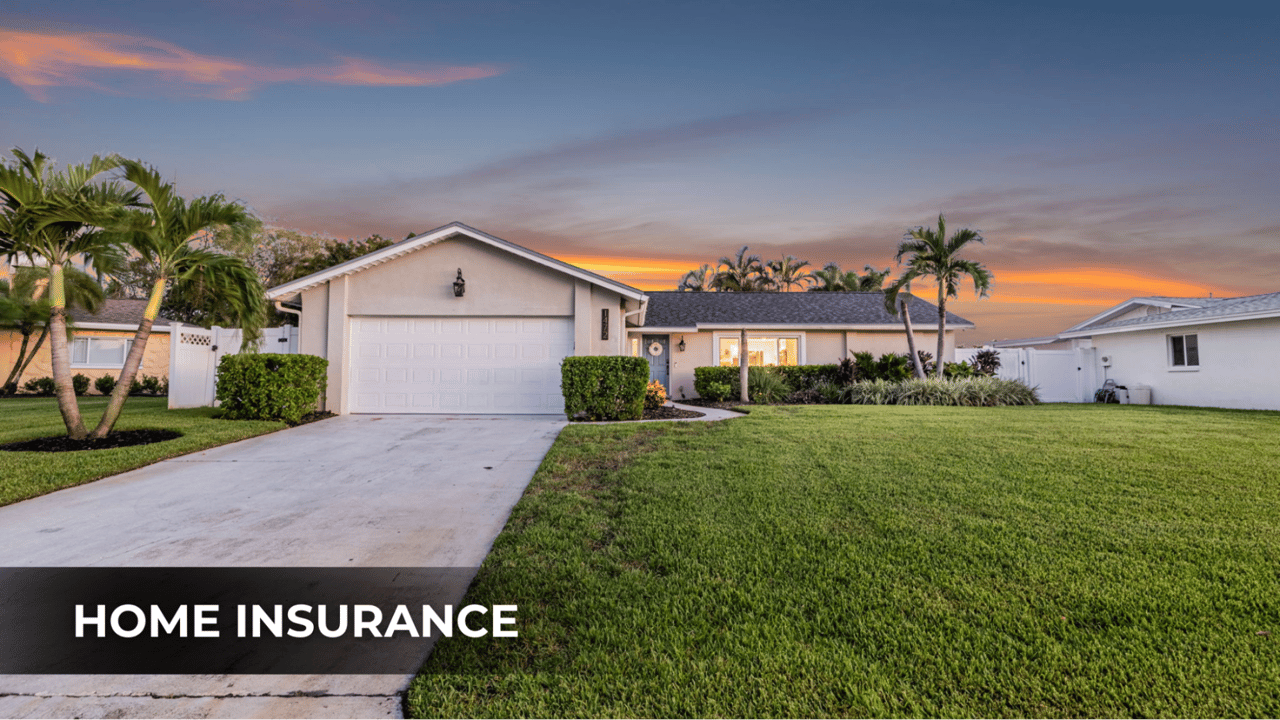
Becky also has a recent guide that looks at home insurance as part of the true cost of owning property in St. Petersburg. St. Pete Living Read the St. Petersburg home insurance cost guide What If You Sell and Buy Another Home in Pinellas County?There is another cost sellers sometimes overlook: the property-tax bill on the next home. The Pinellas County Property Appraiser explains that when ownership changes, the capped assessed value of a property can reset to full market value. The new owner's property taxes the following year can therefore be considerably different from the previous owner's tax bill. That matters if you are selling one St. Petersburg home and buying another. Do not build your future housing budget around the seller's current property-tax amount. Estimate what your taxes could look like after the purchase. Should Luxury and Waterfront Sellers Wait Until 2027?For St. Petersburg luxury real estate, citywide statistics are only the starting point. Waterfront buyers may care about:
That can create major differences in value even between homes located a few streets apart. A seller with a rare open-water view and strong boating access may face very different competition from a seller whose property sits on a narrower canal. The same principle applies to neighborhoods like Snell Isle and Historic Old Northeast. Becky has written about the distinct value drivers and lifestyle differences between those areas rather than treating Northeast St. Petersburg as one uniform market. St. Pete Living That local context should guide the timing decision. What About Downtown St. Petersburg Condos?Condo sellers should look at their own competitive set. Downtown buyers may compare building reserves, assessments, HOA fees, insurance, amenities, views, parking, building age, and recent sales within the same building. That means the best time to sell a downtown condo cannot be determined from single-family home statistics alone. Becky has a separate guide on timing the sale of a Downtown St. Pete condo, including why preparation, documentation, pricing, and competition can matter as much as seasonality. St. Pete Living Read the Downtown St. Pete condo selling guide So, Should You Sell Your St. Petersburg Home Now or Wait Until 2027?Here is a simple way to think about it. Selling before 2027 may make sense if:
Waiting may make more sense if:
What should not drive the decision is the assumption that January automatically creates a better market. A calendar change does not determine the value of your home. Your neighborhood, property type, competition, condition, pricing strategy, and personal goals matter much more. Start With What Your Home Is Worth TodayBefore deciding to sell now or wait until 2027, establish a realistic starting point. Look at recent closed sales. Review the homes competing for the same buyers. Account for condition, location, flood exposure, upgrades, and features that make your property different. Becky's recent sales include properties across St. Petersburg and several price ranges, which provides useful context for how different segments of the local market behave. St. Pete Living See Becky McConnell's recent St. Petersburg sales
|
Stay up to date on the latest real estate trends.


In real estate, every decision matters. With Becky’s strategic approach, you’ll have the insights and expertise needed to make informed moves that maximize your investment and achieve your goals in St. Pete’s dynamic market.