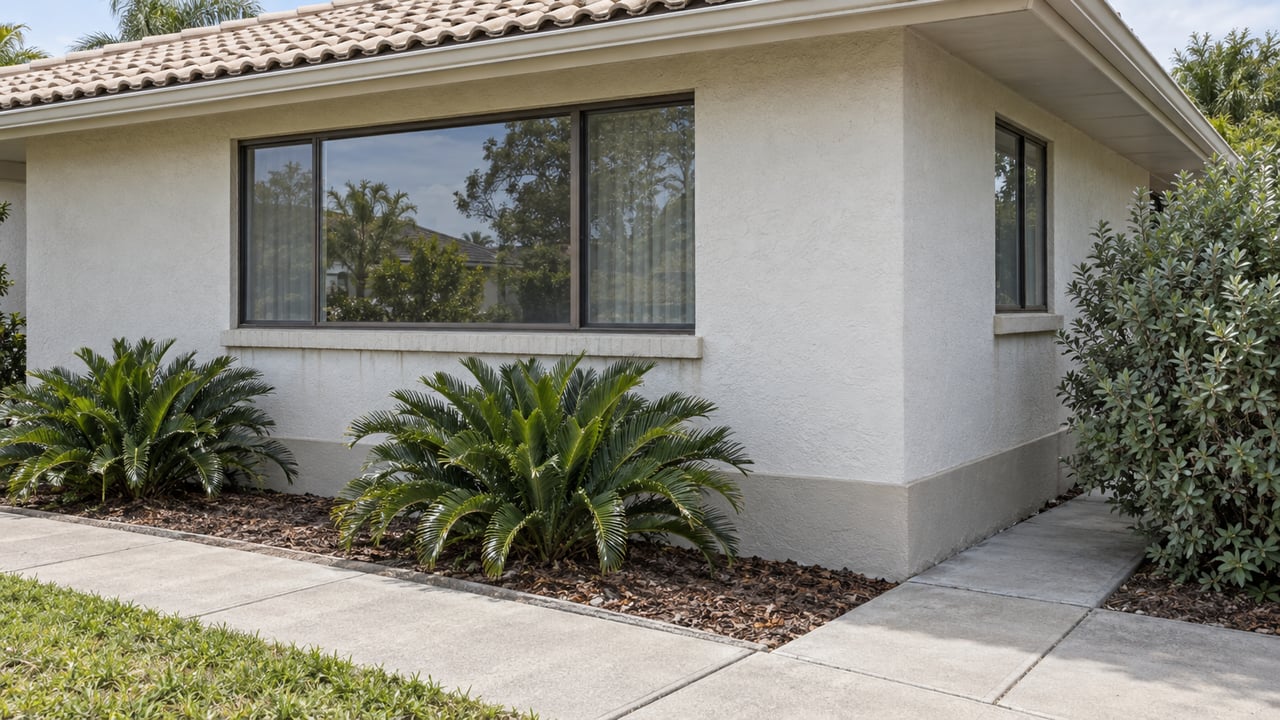
Shore Acres' $33 Million Flood Fix Has One Blind Spot: The Water That Actually Wrecked Homes
October 1, 2026
October 1, 2026
As WTSP reported, a Shore Acres resident watched his refrigerator float across his living room during Hurricane Helene. His washer and dryer went with it. His home has flooded three separate times.
Stories like his are why the city's newly funded infrastructure work reads like a rescue on paper. Public reporting has put the total cost of the Shore Acres Resiliency Infrastructure Project anywhere from $30.8 million to $33 million, the number climbing slightly as additional grants layered on top of a 2023 Florida Department of Environmental Protection award. The money is going toward a new underground stormwater pump station, box culverts, and backflow preventers at the intersection of Connecticut Avenue NE and Bayshore Boulevard NE. Construction is scheduled to start in October 2026 and take about 20 months.
If you're weighing a Shore Acres purchase against the post-storm discount everyone keeps mentioning, that project sounds like the fix. It isn't, not entirely. The pump station was engineered to solve one kind of flooding. Hurricane storm surge is a different problem, and the city has been transparent that this project doesn't touch it.
Shore Acres sits on filled land between Tampa Bay, Smack's Bayou, and Pappy's Bayou, at elevations ranging from just 2 to 7 feet above sea level. Kevin Batdorf, who has lived in the neighborhood since 1986 and led its civic association through the aftermath of Helene, describes a recurring pattern that has nothing to do with hurricanes: streets flooding three to five days a week during summer king tides, when high water pushes back through the stormwater system faster than it can drain.
That's the flooding this project targets. Brejesh Prayman, the city's director of engineering and capital improvements, has described the goal as mitigating the kind of on-street flooding you'd see during a heavy summer rain, and stopping the backflow that lets tidal water push back up through the pipes. The new pump station, along with upsized pipes and additional backflow preventers, is designed to move that water out faster and keep it from cycling back in.
Batdorf has drawn the distinction plainly:
"There's a difference between surge flooding and rainy day high tide flooding."
The project addresses the second kind. It does very little for the first.
Storm surge is what actually filled 80 percent or more of Shore Acres homes during Helene and Milton in the fall of 2024, with roughly 2,200 structures taking on water in Helene alone. That's a different physical event from a summer king tide backing up a storm drain. Surge pushes a wall of water inland from the bay, and no pump station sized for rainy-day drainage is built to hold that back. City engineers and the Civic Association have both said as much publicly. Batdorf's own assessment was direct: the project will help with everyday tidal water in the streets, but it does nothing for the kind of surge that hit during Idalia and Helene.
There's also a coverage gap even within the project's intended scope. Reporting on the plan noted that Shore Acres currently has 56 backflow preventers across 146 stormwater outfalls, which leaves roughly 90 outfalls still without that protection. The new construction adds preventers at the priority intersection, but it does not retrofit every outfall in the neighborhood at once. Which streets get covered first, and which wait for a future phase, is the kind of detail that matters more to a specific address than the headline dollar figure does.
None of this makes the investment meaningless. A permanent pump station with backup power, designed to keep running during outages, is a real upgrade over a system that has none. It just answers a narrower question than the $33 million headline suggests.
Shore Acres median sale prices have settled around $472,000 to $480,000 as of spring 2026, a meaningful pullback from the 2022 to 2023 peak. Homes are sitting on the market for 50 to 95 days depending on condition and flood history, and price per square foot ranges from roughly $275 up past $600 depending almost entirely on two things: water access and elevation.
That range is the tell. A neighborhood-wide median doesn't move because every house lost value evenly. It moves because two different markets are trading under one ZIP code. Elevated, code-compliant homes are commanding a real premium and drawing faster offers. Non-elevated slab construction, especially anything still carrying flood damage or an unresolved claim, is discounting more sharply than at any point in the neighborhood's history. The infrastructure project changes the drainage math for the whole neighborhood eventually, but it doesn't change which category a specific house falls into on the day you make an offer.
Flood insurance is where that split shows up in dollars. Annual premiums in Shore Acres run anywhere from roughly $3,500 to $8,000 or more, and the deciding factors are the property's FEMA flood zone designation (most of the neighborhood sits in Zone AE, with select waterfront parcels in the higher-risk Zone VE), its elevation certificate, and whether it's been raised since 2024. Two houses three doors apart can carry premiums thousands of dollars apart based on documentation the listing photos won't show you.
The city's investment is worth knowing about. It is not a substitute for the paperwork on the specific house you're considering. Before an offer goes in on a Shore Acres property, it's worth confirming:
That last point rarely shows up in a listing, but it's the kind of detail a buyer's team should be pulling before the inspection period closes.
Does the $33 million project mean Shore Acres won't flood again? No. It's designed to reduce tidal and rainy-day street flooding, particularly around Connecticut Avenue NE. City officials and the Civic Association have both said it does not address storm surge from a major hurricane.
When does construction actually start, and what will it disrupt? Construction is set to begin in October 2026 and run about 20 months. During that window, the intersection of Connecticut Avenue NE and Bayshore Boulevard NE will be closed, along with a stretch of Connecticut Avenue NE toward Tampa Bay.
Why does one Shore Acres house cost so much more to insure than the one next to it? Flood insurance in Shore Acres is priced off the individual property's flood zone, elevation certificate, and construction type, not off the neighborhood median. Zone AE homes with a documented elevation above base flood level tend to sit at the low end of that $3,500 to $8,000-plus range. Zone VE parcels and homes without a current elevation certificate tend to sit at the high end.
The discount on paper and the infrastructure headline both point toward opportunity in Shore Acres right now. Whether that opportunity applies to a specific house depends on paperwork the median price can't tell you. If you're comparing a Shore Acres address against something in Snell Isle or Old Northeast and want the elevation certificate and insurance math run before you write an offer, Becky McConnell can pull it alongside the comps.
This article is general information, not legal, tax or financial advice. Consult a qualified professional about your situation.
Stay up to date on the latest real estate trends.
In real estate, every decision matters. With Becky’s strategic approach, you’ll have the insights and expertise needed to make informed moves that maximize your investment and achieve your goals in St. Pete’s dynamic market.