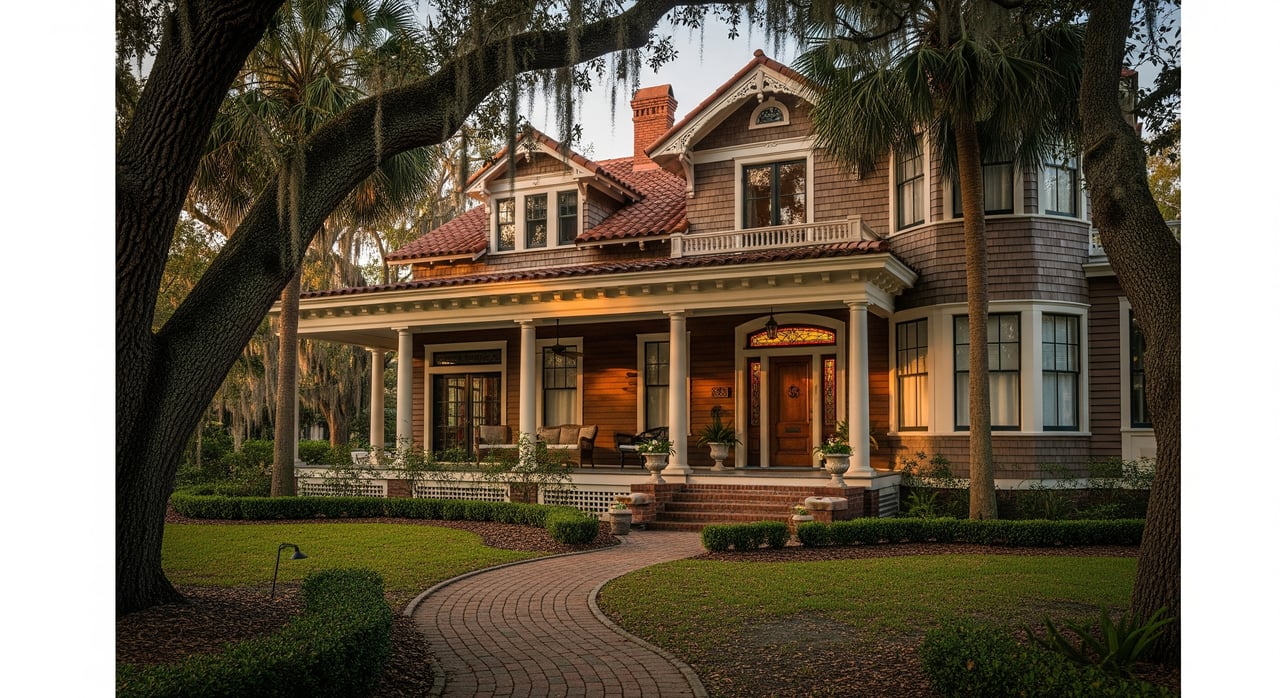
Financing A Historic Home In Old Northeast
December 18, 2025
December 18, 2025
Is a charming Old Northeast bungalow calling your name, but the renovations feel daunting? You are not alone. Buying a historic home in St. Petersburg can come with older systems, special materials, and approvals that impact your loan. In this guide, you will learn which financing options fit different scopes of work, how appraisals treat original character, and what local rules and flood factors can mean for your budget and timeline. Let’s dive in.
Not every historic home needs a renovation loan. Your best path depends on condition, scope, and how you want to fund improvements.
A conventional loan can work if the home is safe, sound, and marketable, and you plan to tackle upgrades with cash after closing. Rates are often competitive and paperwork is lighter. If there is significant deferred maintenance, the lender may require repairs before closing or deny the loan.
If you need to address roof, electrical, foundation, or major aesthetic work, a purchase-plus-renovation loan can roll repair costs into one mortgage. These loans accept an appraisal based on the “as-completed” value after improvements. Expect more documentation, including contractor bids, permits, and a detailed scope.
For very large restorations that look more like new construction, a construction-to-permanent loan can be more appropriate. These loans use draws and inspections during the build. They typically require strong contractor credentials and a longer closing timeline.
The FHA 203(k) Rehabilitation Loan combines purchase and renovation in one loan with a low down payment. The standard 203(k) handles major structural work and requires a HUD consultant, while the limited 203(k) covers smaller non-structural projects. You will follow HUD rules, including lead-safe protocols for pre-1978 homes. Learn more on the official FHA 203(k) program page.
Fannie Mae HomeStyle Renovation can finance a wide range of improvements and is available for primary homes, second homes, and some investments subject to lender rules. Lenders use an “as-completed” appraisal, and you will submit contractor bids and a clear scope. See Fannie Mae’s overview of HomeStyle Renovation.
Freddie Mac CHOICERenovation works similarly to HomeStyle, with product details varying by lender. It also relies on an as-completed appraisal and documented scope and costs. Explore Freddie Mac’s CHOICERenovation information.
If you are VA-eligible, some lenders offer VA-guaranteed loans with renovation features. Availability and terms vary, so ask a VA-experienced lender which options they support.
Appraisers rely on comparable sales, but Old Northeast’s unique homes can complicate valuation. Original millwork, built-ins, and leaded glass are desirable, yet are hard to quantify. Appraisers balance condition, effective age, and market evidence to arrive at value.
For renovation loans, the lender will order an as-is value and an as-completed value that reflects your finished scope. The after-rehab value must support the total loan amount. If it falls short, you may need to increase your down payment or adjust the scope.
Provide the appraiser with your contractor bids, a detailed scope, and any historic review correspondence. Document plans to preserve or restore original features. Clear evidence helps the appraiser support the after-rehab value for character-focused work.
In micro-markets with few true comps, lenders may ask for more documentation or photos of similar restored homes. Partner with an experienced lender and appraiser who understand Old Northeast. If there is an appraisal gap, consider reducing costs, adding cash, or phasing work.
Old Northeast properties often fall under St. Petersburg’s historic review. Exterior changes may require a Certificate of Appropriateness and specific materials. Build review time into your loan and construction schedule, and keep approvals in your file for underwriting.
Many homes in Old Northeast are near the bay and may be in FEMA Special Flood Hazard Areas. Federally regulated lenders require flood insurance if the property is in a mapped SFHA. Check your parcel on the FEMA Flood Map Service Center and obtain an elevation certificate if available.
Historic homes built before 1978 can involve lead-based paint. Renovation loans and HUD rules require lead-safe work practices and documentation. Review the EPA’s Renovation, Repair and Painting Rule and hire properly certified professionals.
Federal historic rehabilitation tax credits generally apply to income-producing properties, not primary residences. For context, see the National Park Service’s Federal Historic Preservation Tax Incentives. You can also check the Florida Division of Historical Resources for state-level programs or guidance.
Old Northeast is a desirable micro-market where sensitively restored homes can command premiums. Verify trends with current comparable sales and parcel data through the Pinellas County Property Appraiser.
A standard mortgage often closes in 30 to 45 days. Renovation loans typically need 45 to 90 days or more, depending on scope, preservation reviews, and contractor documentation. Construction-scale projects vary widely and include multiple inspections and draws.
With the right loan and team, you can preserve the character you love while making smart, financeable improvements. Our local network includes renovation-savvy lenders, appraisers, and contractors who understand Old Northeast, historic review, and flood factors. If you want a clear plan from offer to final draw, reach out to Becky McConnell to get started.
Stay up to date on the latest real estate trends.
In real estate, every decision matters. With Becky’s strategic approach, you’ll have the insights and expertise needed to make informed moves that maximize your investment and achieve your goals in St. Pete’s dynamic market.