Architectural Styles That Define Euclid St. Paul
June 4, 2026
June 4, 2026
If you have ever driven through Euclid St. Paul and felt like every block had its own personality, you are not imagining it. This St. Petersburg neighborhood stands out for its brick-lined streets, mature trees, and homes that reflect layers of early residential growth and careful change over time. If you are thinking about buying, selling, or simply understanding what makes this area so appealing, knowing the architecture helps you see the neighborhood more clearly. Let’s dive in.
Euclid St. Paul is the neighborhood area defined by the Euclid St. Paul Neighborhood Association between 22nd Avenue N, Dr. M.L.K. Jr. Street N and 9th Street N, 16th Street N, and 9th Avenue N. The association’s mission centers on preserving, enhancing, improving, and beautifying the neighborhood, which helps explain why block character matters here.
That identity shows up in the streetscape. Local descriptions consistently point to brick-paved or brick-lined streets, mature tree canopy, front porches, and low garden walls. Together, those features create a setting that feels established, walkable, and visually cohesive without looking uniform.
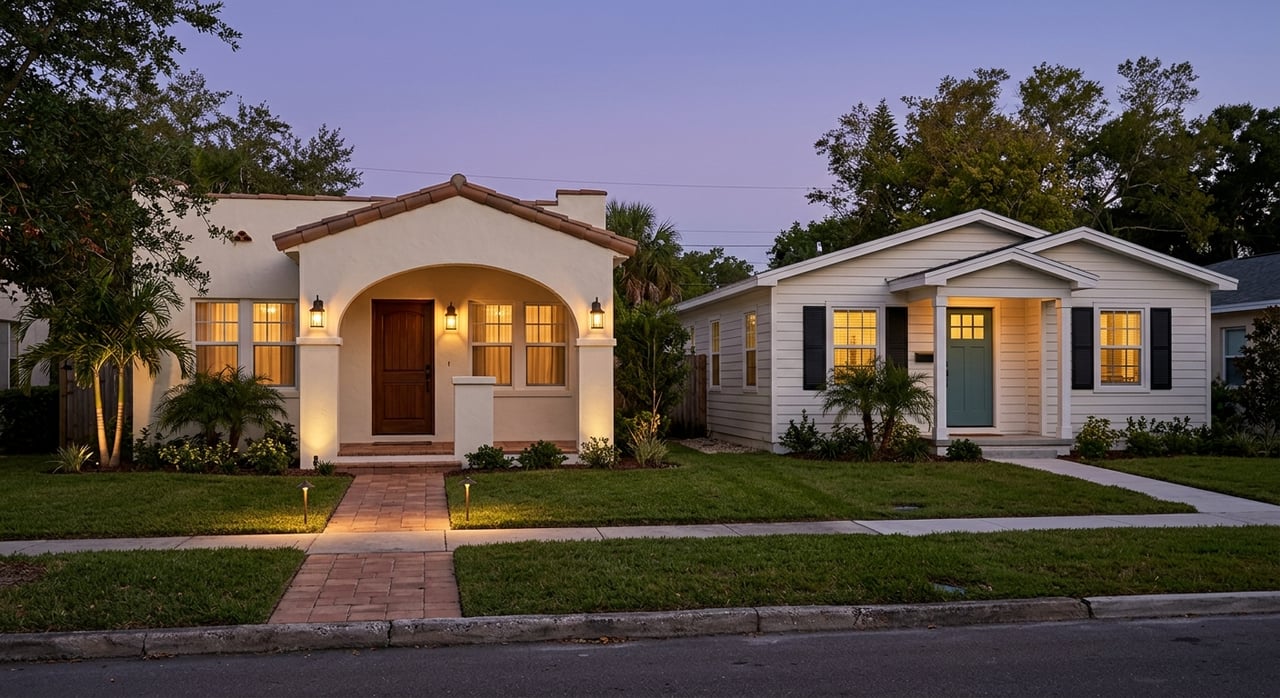
Euclid St. Paul is best understood as a layered historic neighborhood. The strongest visual theme is early-20th-century housing, especially bungalows and Craftsman homes, but you also see Colonial Revival, Mediterranean and Spanish Revival influences, updated cottages, and newer infill designed to fit the surrounding blocks.
That mix matters because it gives the neighborhood texture. Instead of one repeating home type, you get a collection of styles that work together through scale, porches, setback patterns, and the relationship between homes and the street.
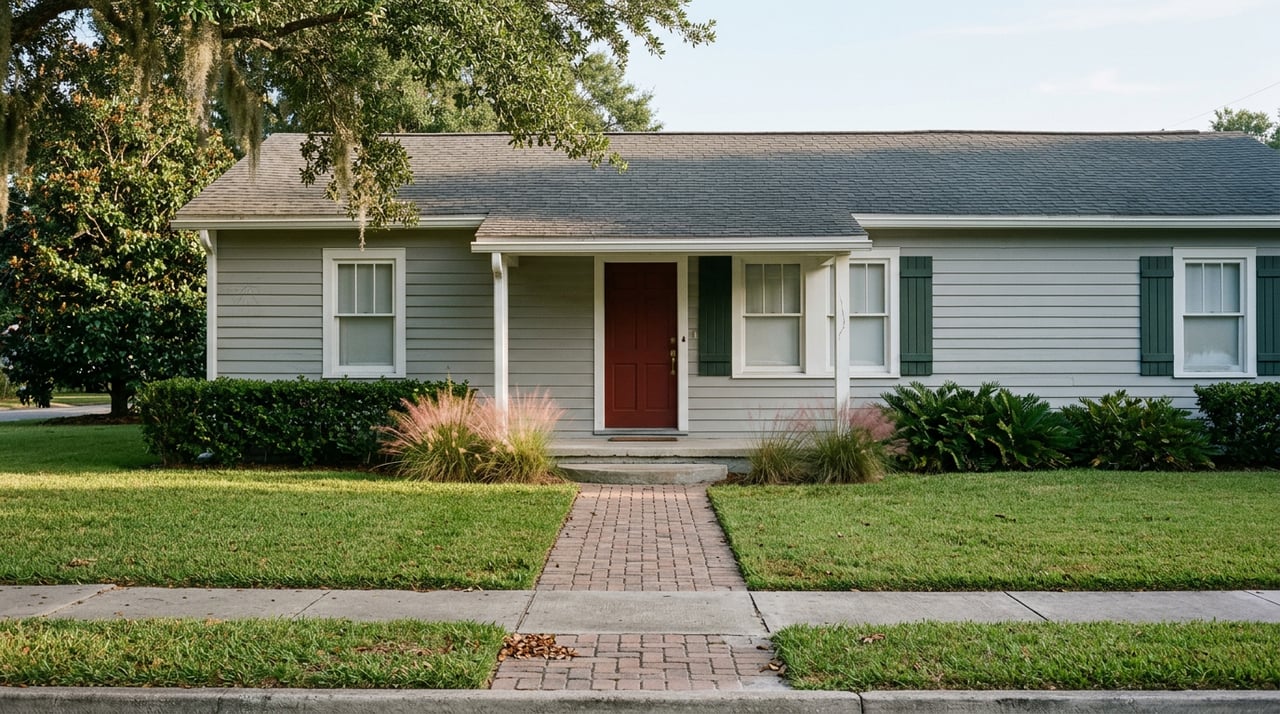
Craftsman and bungalow homes are the backbone of Euclid St. Paul’s visual identity. Neighborhood descriptions describe the area as being made up largely of Florida-style bungalows and two-story Craftsman homes, which is exactly the kind of housing many buyers picture when they think of classic St. Petersburg charm.
These homes often include details that continue to attract attention today. Current listings reference original hardwood floors, built-ins, glass knobs, covered porches, and sun porches, along with updated kitchens and baths. For many buyers, that combination of historic character and modern function is a big part of the appeal.
What makes this style especially important in Euclid St. Paul is how it supports daily living. A prominent front porch and visible entry create a stronger connection between the home and the sidewalk, which helps the block feel active and welcoming.
Colonial Revival homes add a more formal note to the neighborhood mix. While they are not the dominant style, they are part of the local housing fabric and bring a different kind of symmetry and structure to the streetscape.
In Euclid St. Paul, this style still reads as neighborhood-scaled rather than oversized. Listings describe Colonial-style homes with features like brick patios, walkways, and tree-shaded lots, showing how the style fits comfortably alongside bungalows and cottages.
If you are comparing homes, Colonial Revival properties may appeal to you if you prefer a more traditional layout or a more formal exterior presence. In this neighborhood, that formality is softened by mature landscaping and the surrounding historic setting.
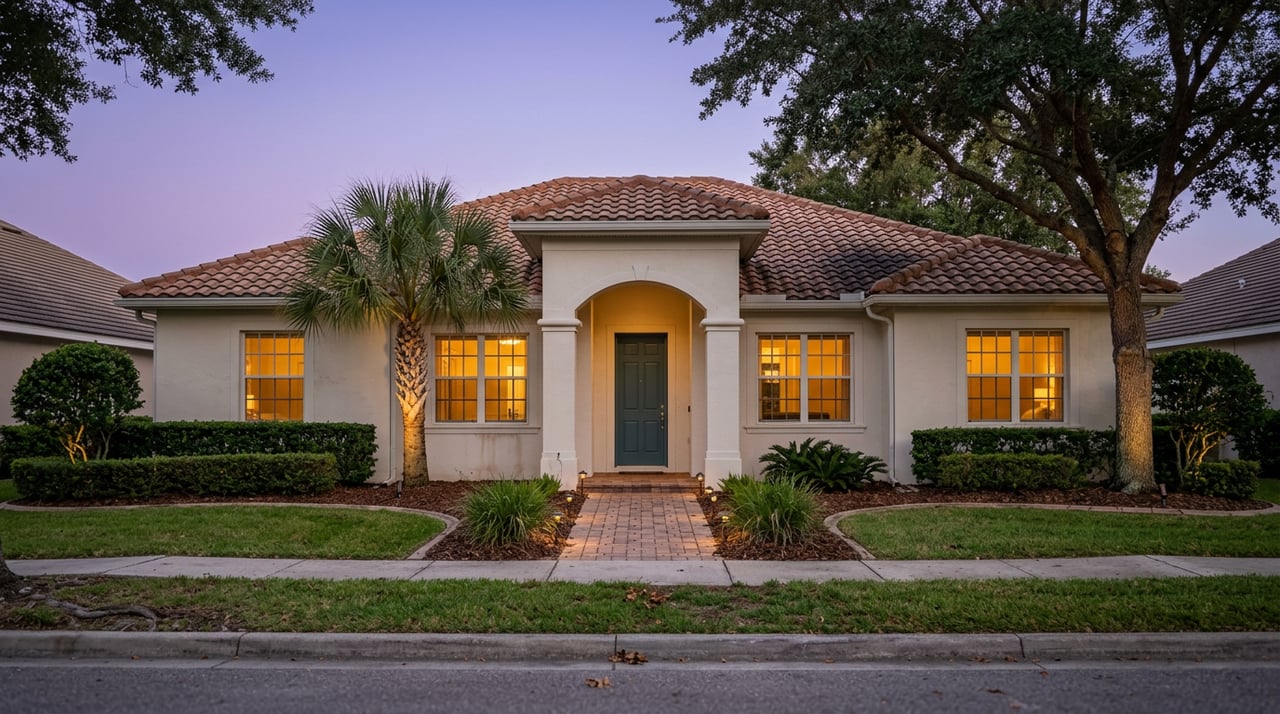
Mediterranean Revival and Spanish Revival homes bring another layer of visual interest to Euclid St. Paul. Local market descriptions specifically note that the neighborhood’s architecture leans Craftsman and Mediterranean Revival, and listings have highlighted Spanish Revival properties on tree-lined streets.
These homes often stand out through stucco exteriors, arches, and more ornamental curb appeal. On a block filled with mature trees and historic homes, those details can create a striking contrast while still feeling consistent with the neighborhood’s older character.
For buyers, this style often delivers a slightly more expressive exterior look. For sellers, these homes can benefit from strong presentation because their curb appeal tends to be one of their clearest selling points.
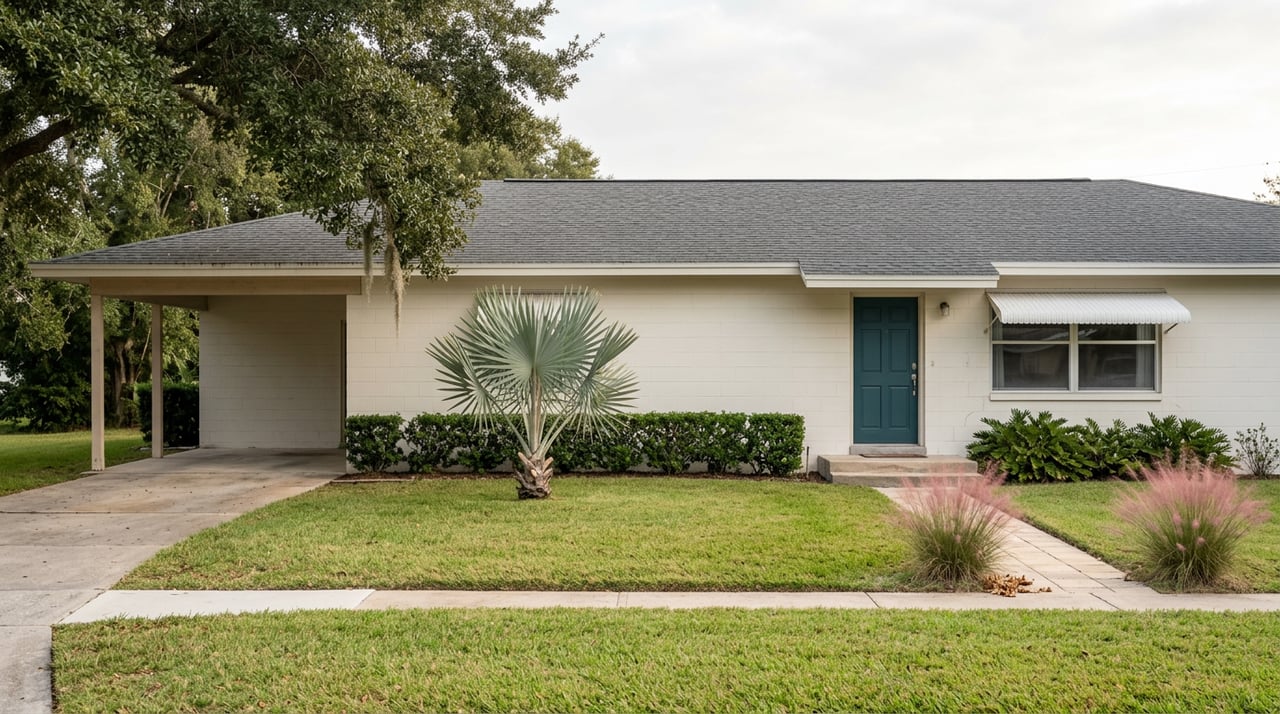
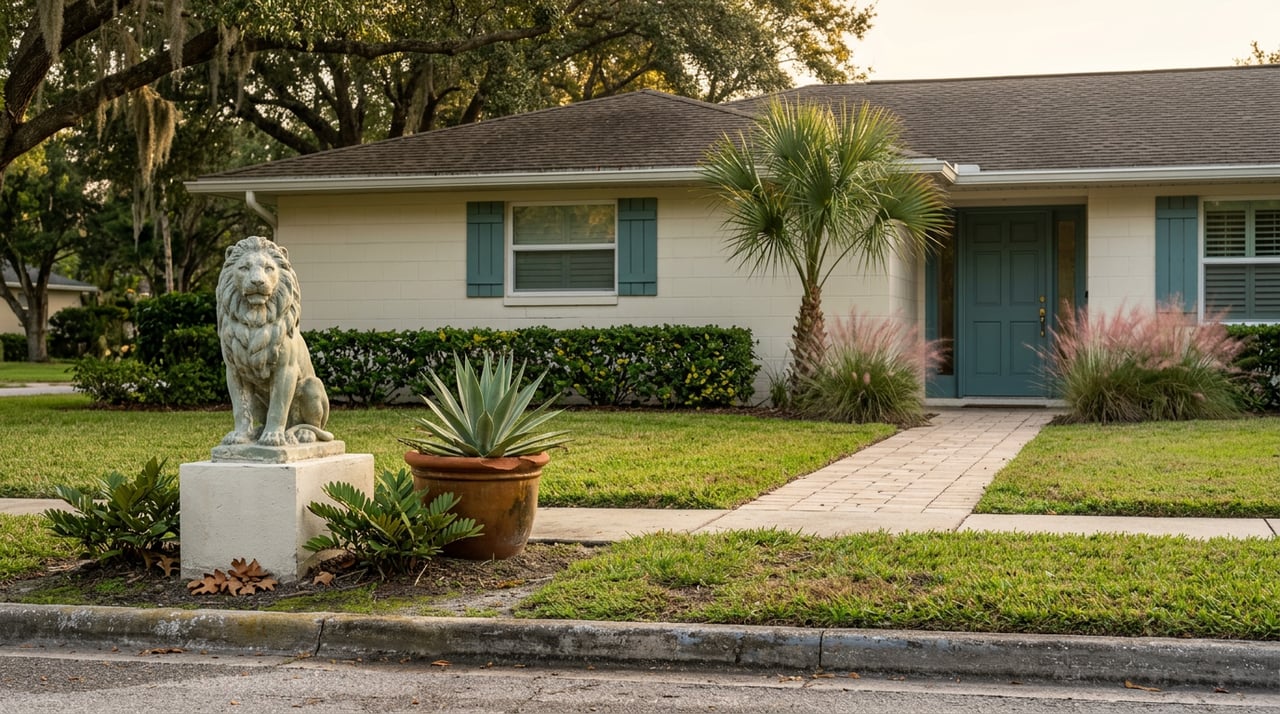
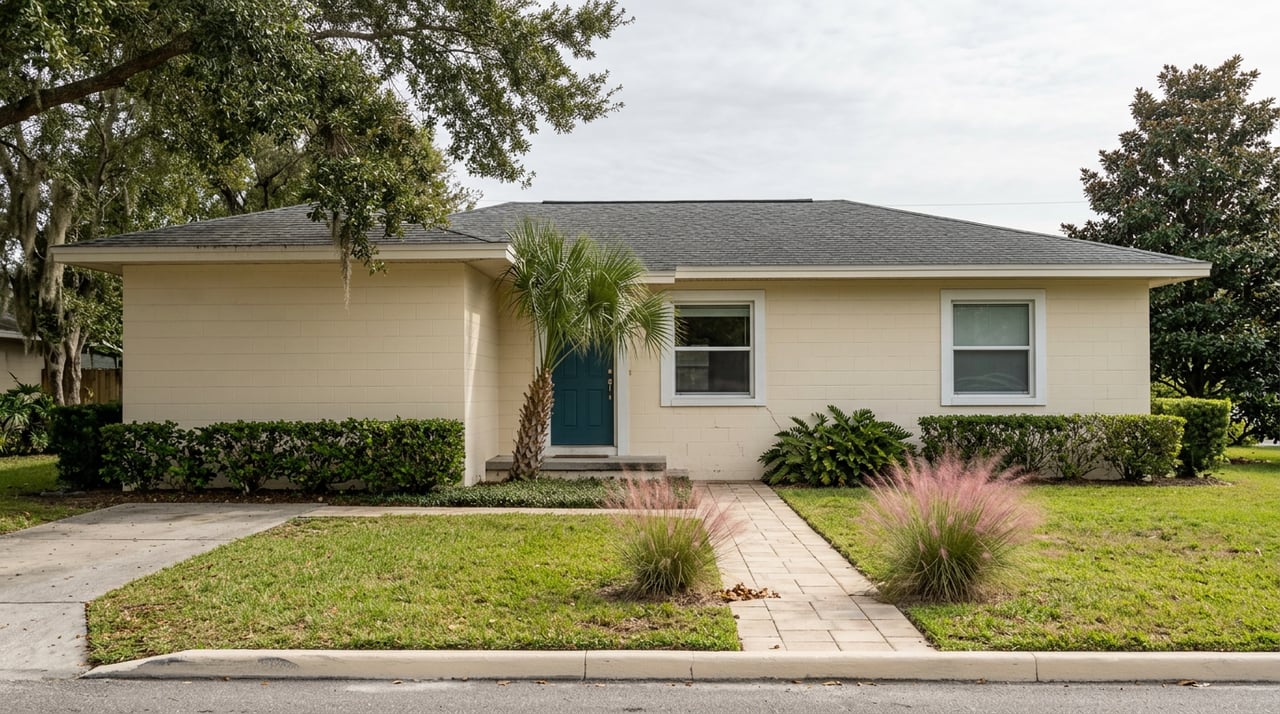
Not every appealing home in Euclid St. Paul is large or highly ornate. The neighborhood also includes updated cottages and smaller bungalows that offer character in a more compact footprint.
That is part of what makes the area attractive to a broad range of buyers. You can find homes with original detailing and thoughtful renovations without needing the size of a larger historic property.
These smaller homes also reflect the practical side of the neighborhood’s evolution. Buyers today often want charm, but they also want manageable maintenance, renovated interiors, and efficient use of space.
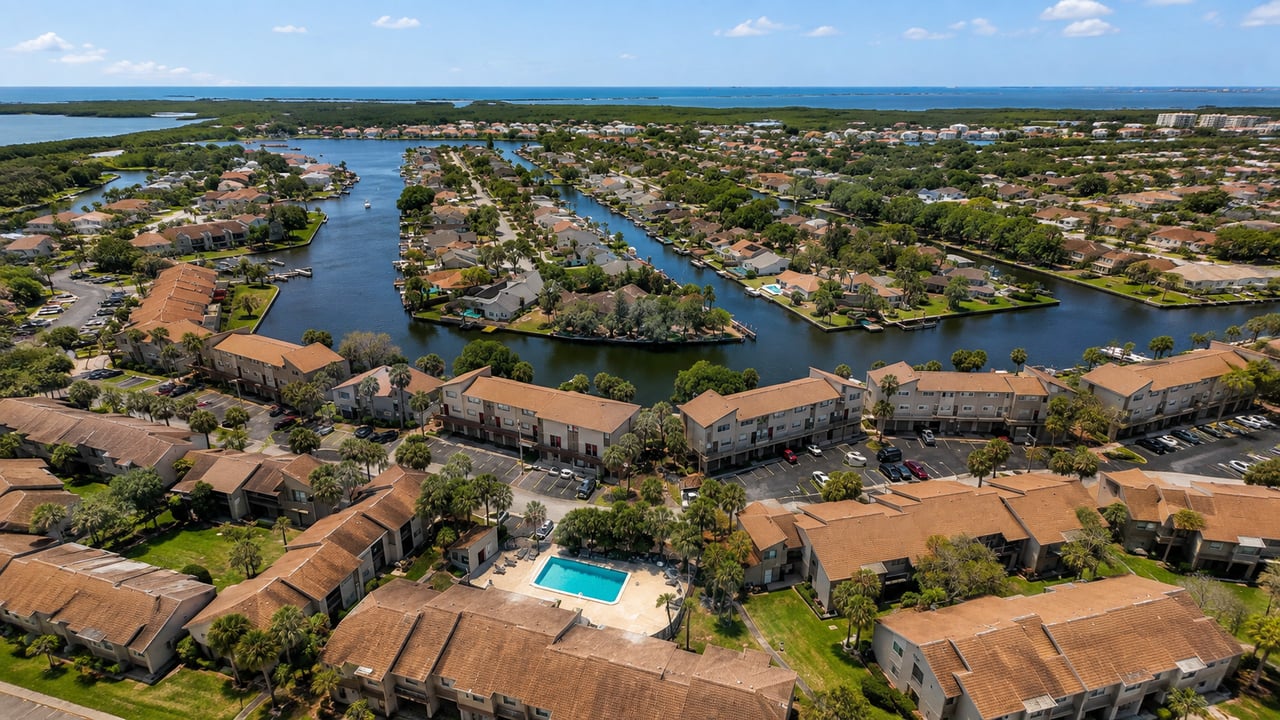
Euclid St. Paul is not frozen in time. In addition to older homes, the neighborhood includes duplexes, accessory dwelling units, guest houses, rear parking arrangements, and newer townhomes or infill homes.
What matters most is how those properties relate to the street and surrounding homes. St. Petersburg’s design guidance emphasizes compatibility in scale, size, materials, color, and texture, along with strong street orientation and parking placed to the side or rear when possible.
That framework is important in a neighborhood like this. It helps newer development fit into the porch-and-sidewalk rhythm that people already value, instead of overwhelming the block with out-of-scale design.
In Euclid St. Paul, architecture is not just about style. It shapes how you live in the neighborhood day to day.
Front porches, screened porches, small front yards, and visible entries encourage casual interaction. That physical layout fits well with the neighborhood association’s event calendar, which includes activities like Family Movie Night, a neighborhood garage sale and block party, a back-to-school party, Oktoberfest, a Haunted Hike, and bike crawls.
The lot layout matters too. Detached garages, rear parking pads, guest houses, and accessory dwelling units help older properties adapt to modern needs while preserving the front-yard character that gives the area much of its appeal.
And while the neighborhood feels tucked into its own rhythm, it is still well connected. Local descriptions note access to downtown St. Petersburg, the 4th Street corridor, the Edge, Grand Central, MLK-area services, and nearby parks, which adds convenience to the historic setting.
If you are buying in Euclid St. Paul, architectural style can influence more than appearance. It often affects layout, storage, lot use, parking, outdoor living, and renovation potential.
A bungalow may offer built-ins, a prominent front porch, and a compact but efficient floor plan. A Colonial-style home may give you a more formal layout and a different exterior presence. A Mediterranean or Spanish Revival home may stand out for its materials and curb appeal.
The practical takeaway is simple: style and usability go hand in hand here. The right home for you depends on how you want to live, not just what looks best in listing photos.
If you are selling in Euclid St. Paul, the architectural story of your home is part of the value story. Buyers are often drawn to this neighborhood because of its established character, so features like porches, original details, mature landscaping, and compatible updates can carry real weight.
That does not mean every home is valued the same way. In this neighborhood, pricing can also reflect lot size, renovation quality, accessory units, and overall functionality. The mix of smaller cottages, larger renovated homes, and newer townhomes means thoughtful positioning matters.
Redfin reported a median sale price of $828,192 in April 2026, up 23.6 percent year over year for the neighborhood. That figure does not mean every property follows the same pattern, but it does support the broader point that buyers are paying attention to this market.
One reason Euclid St. Paul remains appealing is that architectural character and practical flexibility can coexist. The neighborhood has older homes with defining details, but it also has room for updated interiors, accessory spaces, and carefully scaled new construction.
St. Petersburg’s design guidelines reinforce that balance by emphasizing compatibility in scale, materials, color, and texture. They also focus on how a building meets the street and where parking is placed, which helps preserve the visual rhythm that makes older neighborhoods feel intact.
There is also a broader citywide preservation context worth noting. Preserve the Burg reported that property values in local historic districts rose 119.3 percent from 2008 to 2022, compared with 85.2 percent in non-designated areas. That statistic is not specific to Euclid St. Paul, but it helps explain why preserved character often carries long-term appeal in St. Petersburg.
If you are walking or driving the neighborhood, pay attention to the features that create consistency from block to block. A few details can tell you a lot about how a home fits into Euclid St. Paul.
Look for:
Those details do not just add charm. They help explain why the neighborhood feels cohesive even with several different home styles in the mix.
If you are considering a move in Euclid St. Paul, it helps to work with someone who understands how style, updates, lot configuration, and block character come together in value. For tailored guidance on buying or selling in this St. Petersburg neighborhood, connect with Becky McConnell.
Stay up to date on the latest real estate trends.
In real estate, every decision matters. With Becky’s strategic approach, you’ll have the insights and expertise needed to make informed moves that maximize your investment and achieve your goals in St. Pete’s dynamic market.